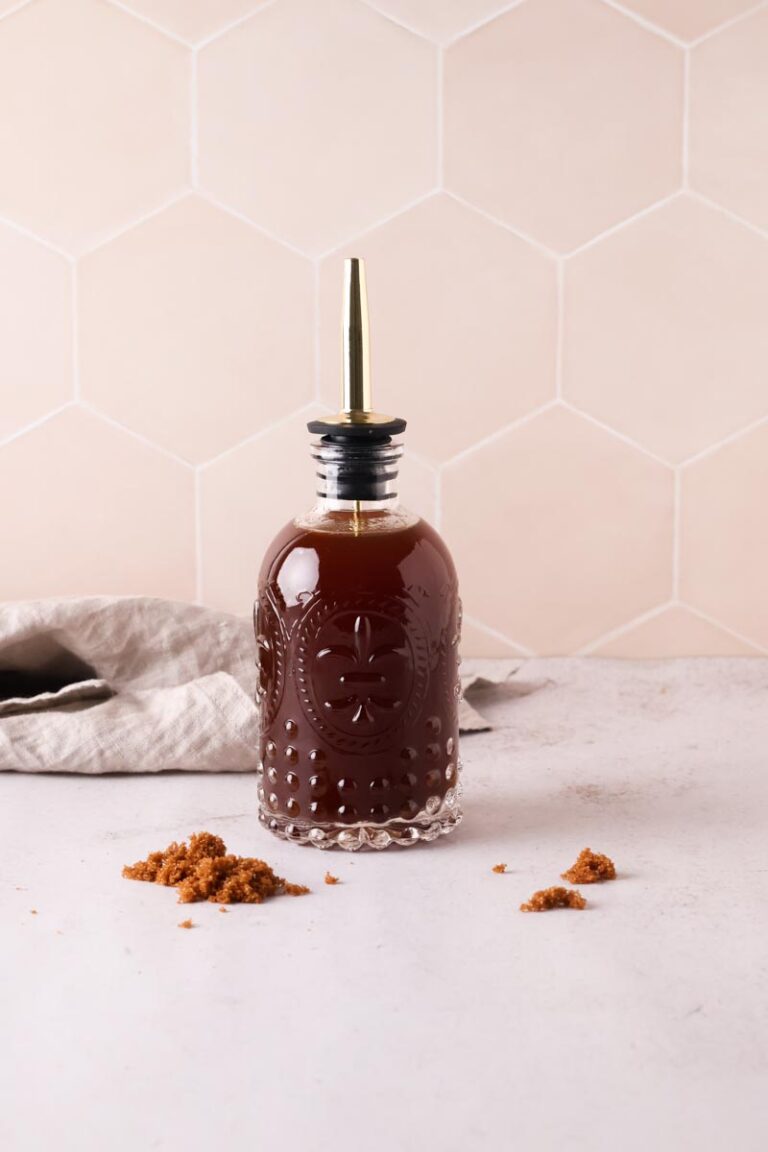
How To Thicken Simple Syrup
Before you reach for a thickener, check your ratio. Most thin syrup problems are simpler to fix than you think.
If you’re wondering how to thicken simple syrup, the first thing worth knowing is that most thin syrup problems come down to one thing: ratio. Not technique. Not ingredients. Just the balance of sugar to water you started with.
That said, there are genuine situations where you need to thicken a syrup you’ve already made – or where the ratio alone isn’t enough. This covers all of it.
Why your simple syrup is too thin
Before jumping to fixes, it helps to know why it happened. Thin simple syrup almost always comes from one of four things:
- You used a 1:1 ratio: A standard 1:1 syrup is genuinely light and fluid. It’s not supposed to coat a spoon or drizzle like honey. If that’s what you made and it came out thin, it’s working correctly, you just need a different ratio for what you’re trying to do.
- You didn’t use enough heat: Cold-process syrup tends to be slightly thinner than hot-process because heat encourages some of the water to evaporate and concentrates the sugar slightly. If you shook yours in a jar, that’s why it feels thinner.
- You overboiled and added water back: Some recipes tell you to boil vigorously, which evaporates too much water and then the syrup cools thin because it wasn’t a controlled reduction. Gentle heat is better.
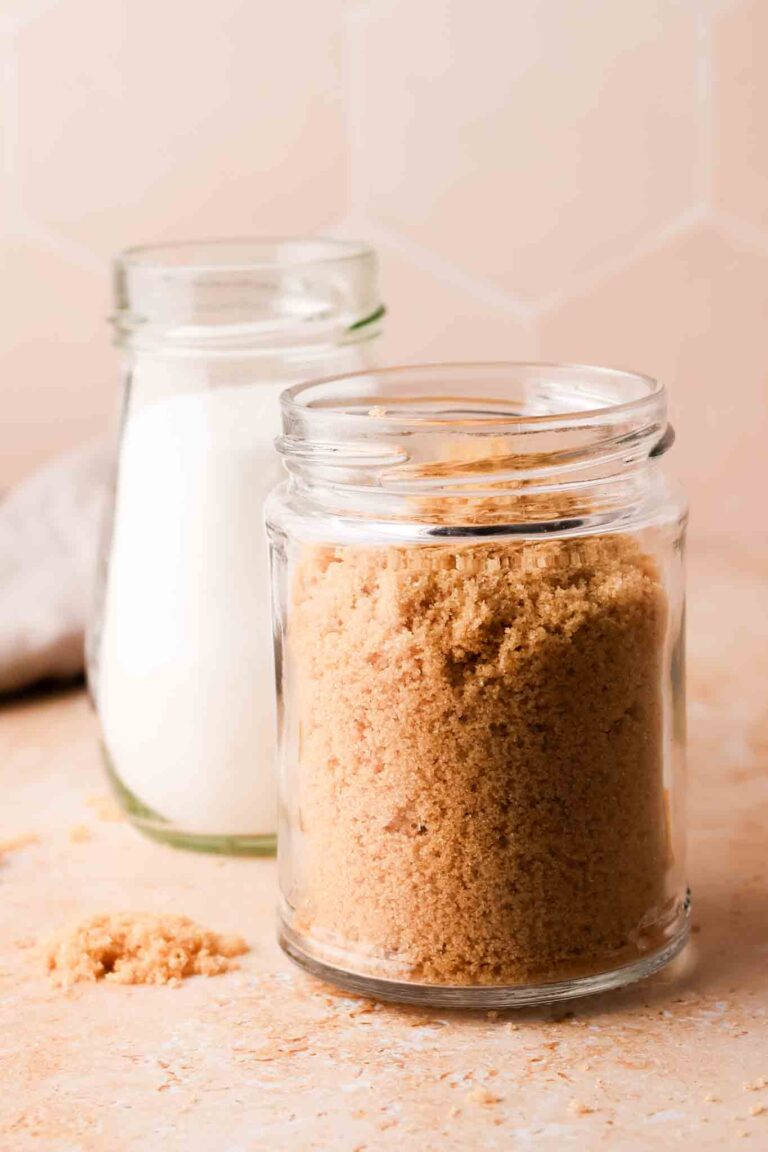
- Your measurement was off: Measuring sugar by volume (cups) rather than weight means different sugars pack differently. Brown sugar, demerara, and muscovado all measure differently than white granulated, which can throw off your ratio without you realizing it.
How to make a thick simple syrup
If you want to know how to make thick sugar syrup consistently, this is the answer. Not cornstarch. Not boiling longer. All you need is more sugar.
A 2:1 syrup – two parts sugar to one part water – is noticeably thicker than a 1:1. A spoon dragged through it has a slight coat to it. It drizzles more slowly. It feels more substantial in a drink. And because it’s more concentrated, you use less of it, which also means less dilution.
1:1 syrup: 1 cup sugar + 1 cup water = light, fluid, pours like thin juice
2:1 syrup: 2 cups sugar + 1 cup water = thicker, coats slightly, drizzles slowly
The science behind it is straightforward: viscosity in sugar syrup increases with sugar concentration because the sugar molecules slow down the movement of water molecules and create resistance to flow. More sugar, more resistance, thicker syrup.
This is the method I use when I want a syrup with body — my ginger syrup, clove syrup, and apple cinnamon syrup are more frequently made with 2:1 ratio for exactly this reason. The spice flavor sits better in a denser base and the syrup has more presence in the drink.
Ways to thicken simple syrup
The ratio fix and reduction cover most situations. But there are a few other methods worth knowing about for specific use cases.
1. Cornstarch (for fruit syrups and dessert syrups)
Cornstarch is the go-to thickener in commercial fruit syrups and pancake syrups, but I’d hesitate to use it in cocktail or coffee syrups. It can cloud a syrup that should be clear, and it changes the texture in a way that doesn’t blend well into drinks.
Where it does make sense is in fruit-based dessert syrups – the kind you’re spooning over pancakes, waffles, or ice cream rather than stirring into a drink. To use it: mix 1 tablespoon of cornstarch with 2 tablespoons of cold water to make a slurry, then whisk it into your warm syrup gradually. Simmer for a couple of minutes until it thickens. It will set further as it cools.
Arrowroot powder works the same way and produces a slightly clearer, shinier result. Either works but avoid using flour because it tends to settle and go lumpy.
2. Invert sugar or corn syrup (for body without crystallisation)
Adding a small amount of light corn syrup or glucose to your syrup does two things: it adds body and prevents crystallization. This is useful for 2:1 syrups that keep crystallizing in the fridge despite your best efforts.
A tablespoon of corn syrup per cup of finished syrup is enough to change the texture noticeably without affecting flavor. It works by disrupting the sucrose crystal structure – the glucose molecules get in the way of the sucrose molecules trying to cluster together.
This is also essentially what invert sugar does. If you’ve ever made a brown sugar vanilla syrup and found it stays smooth and pourable even after a week in the fridge, that’s partly because brown sugar contains molasses, which has similar crystal-disrupting properties.
3. Extended simmering on the initial make
If you’re making a syrup from scratch and want it thicker from the start, a slightly longer simmer time gives a bit more reduction and a slightly denser result. I do this with my spice syrups, simmering for 10–15 minutes rather than just dissolving the sugar and pulling off the heat.
It concentrates the flavour as well as the texture, which works brilliantly for bold syrups but isn’t ideal for delicate ones. A 10-minute simmer on a mint syrup will cook out exactly the freshness you were trying to preserve.
What not to do
- Don’t boil vigorously: hard boiling evaporates water quickly and unpredictably. You lose control of the ratio and risk burning the sugar or ending up with a caramel rather than a syrup. Low and slow is always better.
- Don’t add flour: it goes lumpy, affects flavor, and isn’t stable long-term in a liquid. Cornstarch or arrowroot if you need a starch at all.
- Don’t add more sugar without more heat: stirring extra sugar into a finished cold syrup just gives you sugar crystals sitting at the bottom of the jar. You need heat to properly dissolve additional sugar into solution.
- Don’t judge thickness while it’s hot: syrup is always thinner at temperature. Let it cool completely before deciding whether it needs further reduction. I’ve over-reduced more batches than I’d like to admit by not being patient enough at this step.
Basically..
Most thin syrup problems are ratio problems in disguise. If you want to know how to make simple syrup thicker, the answer is usually to use a 2:1 ratio from the start. Just more sugar, same method, noticeably different result.
If your syrup is already made and too thin, a gentle reduction on low heat is the cleanest fix. And if you’re making a fruit or dessert syrup where you need a different kind of body, a cornstarch slurry does the job without affecting flavour.
The one thing worth avoiding is reaching for thickeners before understanding why the syrup is thin. Nine times out of ten it’s the ratio – and the ratio is always the easier fix! If you want to go deeper on how 1:1 and 2:1 behave differently across every dimension, the simple syrup ratio guide is the place to start.
Frequently asked questions
How do you make sugar syrup thicker without adding more sugar?
Reduce it. Simmer the syrup gently over low heat until some of the water evaporates, increasing the concentration. The syrup will thicken as both the concentration increases and as it cools. Remember it will continue thickening as it cools, so stop the reduction slightly before you think it’s done.
Can I use cornstarch to thicken simple syrup?
You can, but it’s not ideal for syrups used in drinks, it will cloud a clear syrup and change the texture in a way that doesn’t blend smoothly. Cornstarch works better in fruit-based dessert syrups where clarity doesn’t matter. For cocktail, coffee, or flavored syrups, stick with the ratio or reduction method.
Does simple syrup thicken as it cools?
Yes, significantly. Syrup is always thinner when hot than when cold. This is why it’s important to let your syrup cool completely before deciding whether it needs further reduction. A syrup that looks barely thickened at simmering temperature can be noticeably thicker once it’s fully cooled.
What is the thickest simple syrup ratio?
For practical use, 2:1 is the standard for thick simple syrup and covers almost every use case. A 3:1 ratio is possible but difficult to work with – it’s close to the saturation point of sugar in water at room temperature and will crystallize readily.

Welcome! I’m Rakiya, a syrup enthusiast with years of experience developing flavors. Every recipe is tested and refined for tasty results. My tips, variations and photos come directly from my kitchen experiments.