Simple Syrup Ratio: 1:1 vs 2:1
The simple syrup ratio you use changes everything from texture, dilution, shelf life, and how flavor expresses. Here’s how to choose the right one, every time.
The first time I made simple syrup, I didn’t think the ratio mattered. Sugar. Water. Heat. Done.
But after making dozens of batches – fruit syrups, spiced ones, coffee syrups and gift batches – I realized the ratio changes everything. Texture, sweetness, dilution, shelf life, even how flavor sits on your tongue. (If you’ve ever wondered whether homemade syrup is actually worth making, that answer lives in the ratio too.)
Two ratios form the foundation of almost every syrup I make:
- 1:1 – standard simple syrup
- 2:1 – rich simple syrup
Once you understand how each behaves, you stop copying recipes and start designing them.
What is simple syrup and why does the ratio matter?
Simple syrup is sugar dissolved in water. That’s it. But unlike adding granulated sugar to a cold drink – where the sugar sinks and barely dissolves – syrup blends instantly into any liquid, hot or cold. It’s also worth knowing that alcohol actually inhibits dry sugar from dissolving, which is why syrup is essential in cocktails even when there’s barely any water in the drink.
The ratio determines the concentration of sugar in that water, which affects everything downstream: how sweet it tastes per teaspoon, how much it dilutes your drink, how well it carries flavor, and how long it lasts in the fridge.
What is 1:1 simple syrup ratio?
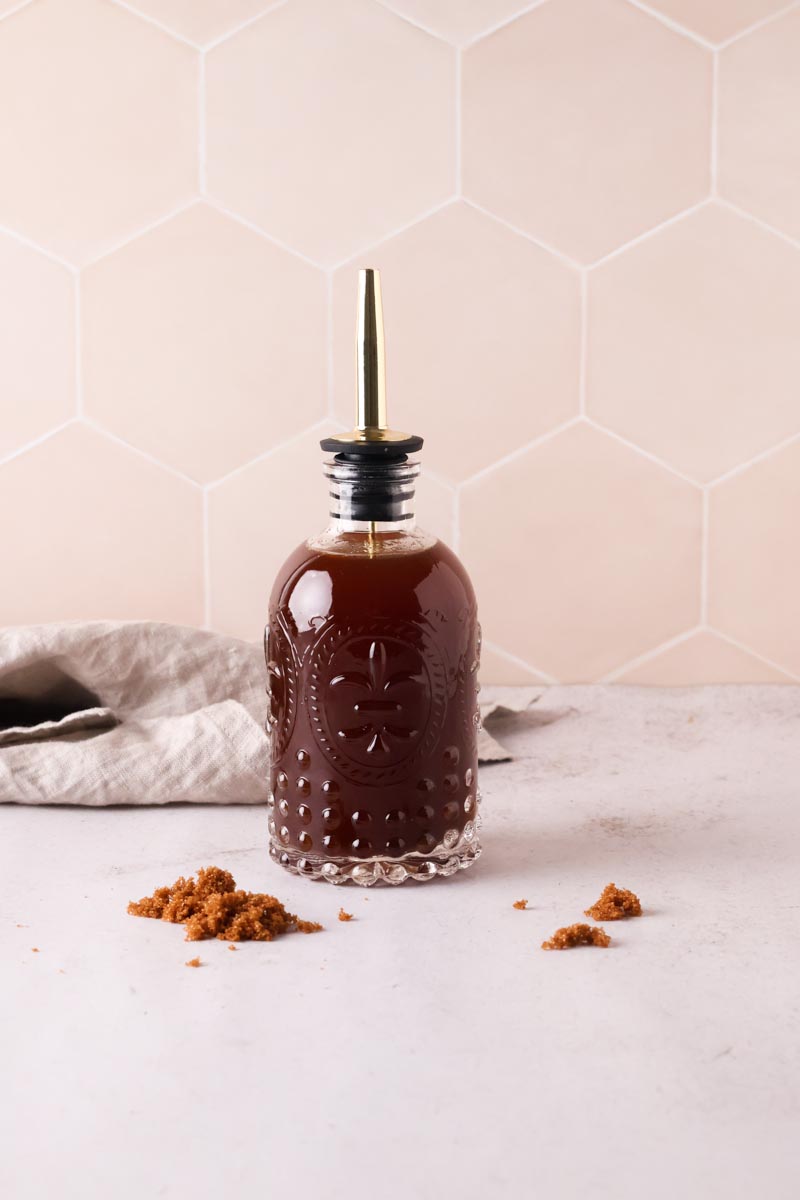
A 1 to 1 syrup ratio is equal parts sugar and water – any amount, as long as they match.
1 cup sugar + 1 cup water
When it cools, 1:1 is light and fluid. It pours almost like water and blends into cold drinks without any real stirring. The sweetness is present but not heavy – it supports other flavors rather than leading them.
One practical note: because 1:1 is the standard American bar ratio, it’s what most published cocktail recipes are calibrated for. One tablespoon of 1:1 roughly balances the acidity of one tablespoon of citrus juice, which makes building balanced drinks very intuitive.
Use 1:1 when:
- Sweetening iced coffee, lemonade, or cold brew
- Making fruit syrups where brightness and freshness matter
- Infusing delicate herbs like mint, basil, or lavender
- Batching large quantities where flexibility to adjust is useful
- Following a published cocktail recipe (most call for 1:1 by default)
1:1 is forgiving, versatile, and the right place to start if you’re building your syrup skills.
What is 2:1 simple syrup ratio?
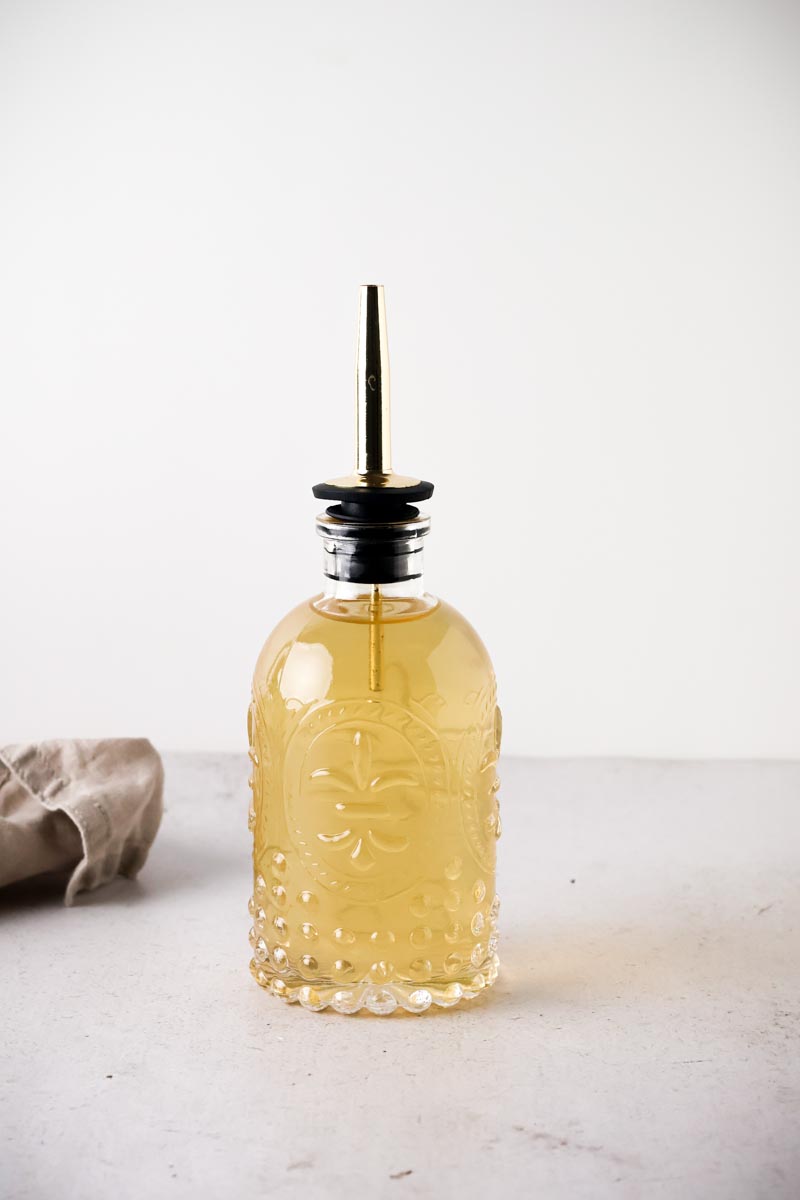
A rich simple syrup is 2 parts sugar to 1 part water.
2 cups sugar + 1 cup water
The texture difference is immediate. A spoon drawn through 2:1 syrup has a slight coat to it – thicker, more structured. Because it’s significantly more concentrated, you use less of it per drink, which is where the real efficiency comes from.
An important clarification: 2:1 is not twice as sweet as 1:1. It’s roughly 1.35 times sweeter by volume. This matters when substituting – a tablespoon of 2:1 doesn’t replace two tablespoons of 1:1. (More on this below.)
The biggest payoff shows up in espresso. A 1:1 syrup will slightly thin your coffee; 2:1 adds sweetness while keeping the body of the drink intact. My strawberry coffee syrup uses 2:1 for exactly this reason – the flavor is bold enough to stand up to espresso without drowning it in water.
Use 2:1 when:
- Making bold spice syrups – clove, cinnamon, cardamom, ginger
- Sweetening espresso drinks or spirit-forward cocktails without diluting them
- You want a longer fridge life (weeks longer than 1:1)
- Giving syrup as a gift or selling in small batches
- You want a more concentrated, efficient product
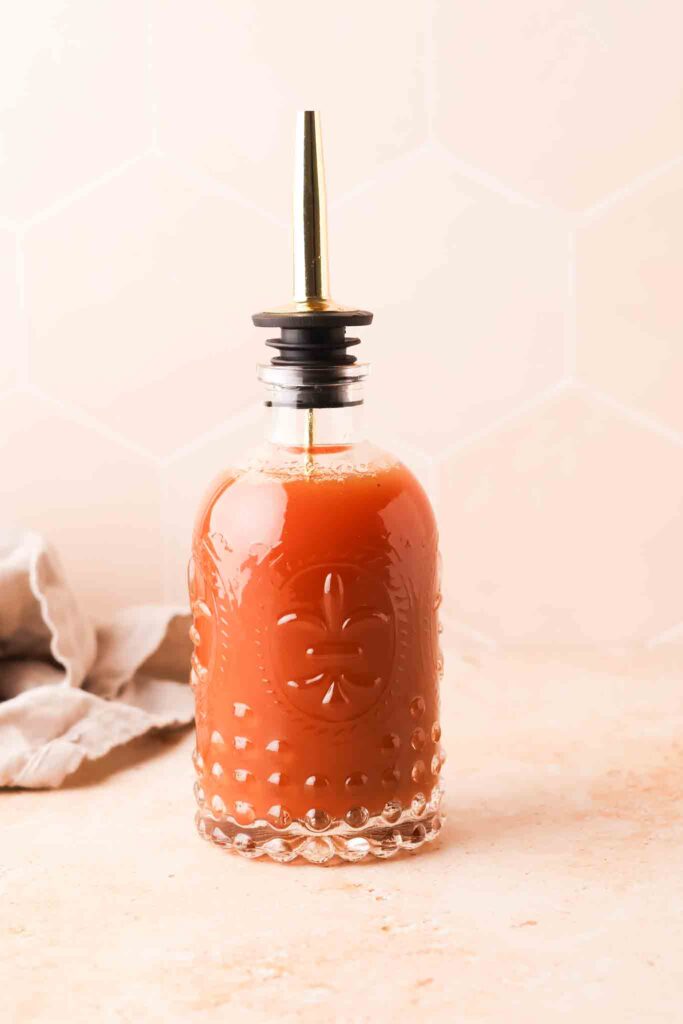
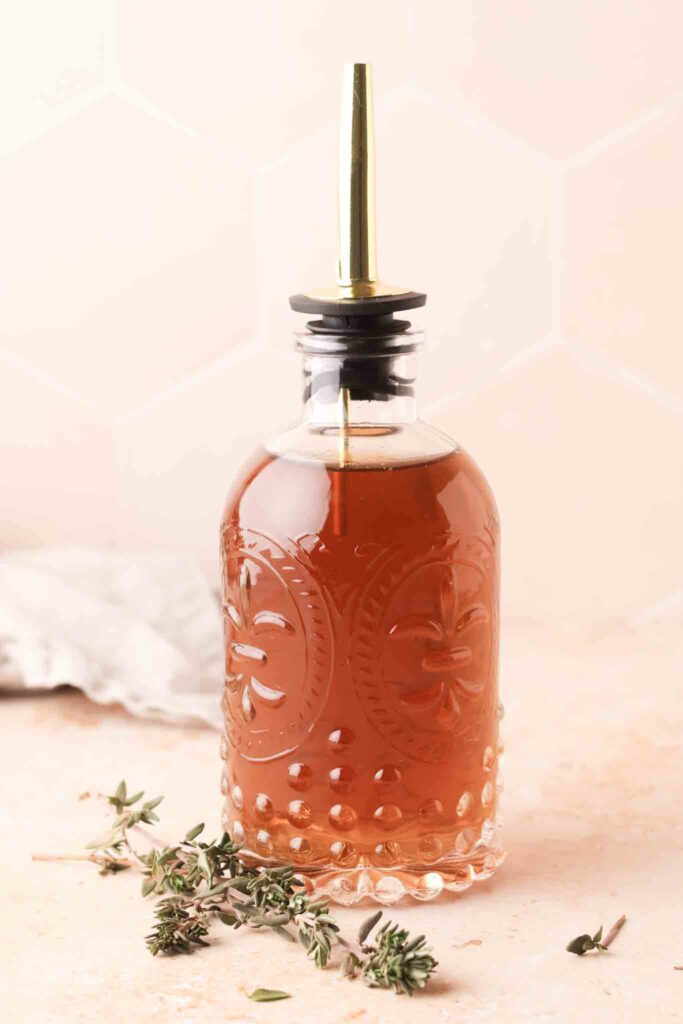
Get exact sugar, water, and yield amounts for any ratio — 1:1, 2:1, or 1:2 — in grams, ounces, or cups.
Use the simple syrup calculator →1:1 vs 2:1 compared
Here’s how the two ratios compare across the factors that actually matter:
| 1:1 Standard | 2:1 Rich | Why It Matters | |
| Texture | Light, fluid | Thicker, coats spoon | Affects mouthfeel in drinks |
| Sweetness per tsp | Standard | ~1.35× more | Use less 2:1 to hit same sweetness |
| Dilution | Higher | Lower | Critical for carbonated or spirit drinks |
| Fridge life | 2–3 weeks | 1–2 months | Higher sugar slows spoilage |
| Best for flavors | Delicate (mint, citrus) | Bold (spice, ginger) | Ratio affects flavor expression |
| Heat needed? | No (can cold-process) | Yes, heat helps dissolve | 2:1 is too concentrated to stir cold |
The differences that actually change your drinks
Does simple syrup dilute your drink?
Every time you add syrup, you’re adding water too. With 1:1, one tablespoon contributes meaningful water content – around 5–8% extra dilution depending on the recipe. With 2:1, you need less syrup to hit the same sweetness, so total water added drops significantly.
This matters most in sparkling drinks. Too much 1:1 can flatten carbonation. Switching to 2:1 solved that problem for me immediately. It matters in cocktails too: if you’re making a Whiskey Sour or an Old Fashioned and want to control dilution precisely, 2:1 gives you much more control.
How does ratio affect flavor extraction?
This is the part most people don’t expect. Delicate ingredients come through cleaner and fresher in a 1:1 base. The lighter structure lets subtle flavors breathe without getting flattened. This is why syrups like mint, rosemary, thyme, and sage all work best at 1:1 – the delicacy of the herb is exactly what you’re trying to preserve.
Bold ingredients carry better in 2:1. The denser base anchors the spice, and the final syrup feels fuller and more intentional. Clove syrup, ginger syrup, chai syrup, and apple cinnamon syrup all benefit from the extra structure 2:1 provides. If you’ve ever made a ginger syrup that tasted thin or watery, trying it at 2:1 will change your opinion of the recipe.
How long does simple syrup last in the fridge?
Sugar slows microbial growth by binding water molecules. Less available water means less opportunity for mould or bacteria to establish.
- 1:1 syrup: approximately 2–3 weeks refrigerated
- 2:1 syrup: 1–3 months refrigerated
- Infused syrups (either ratio): slightly shorter, as fruit and herbs introduce more contaminants
Both should always be refrigerated after making. For longer storage, freeze in ice cube trays – either ratio freezes and thaws with no quality loss. If your syrup starts looking cloudy or develops any off smell, discard it regardless of the timeline.
One tip I picked up: adding a small splash of vodka (about a tablespoon per cup of syrup) preserves 1:1 almost indefinitely. You can’t taste it, and it’s practical for batch production or gifts.
How to make simple syrup: heat vs no-heat
There’s a debate in syrup-making circles about whether you need heat at all. The honest answer: it depends on the ratio and what you’re making.
The hot method
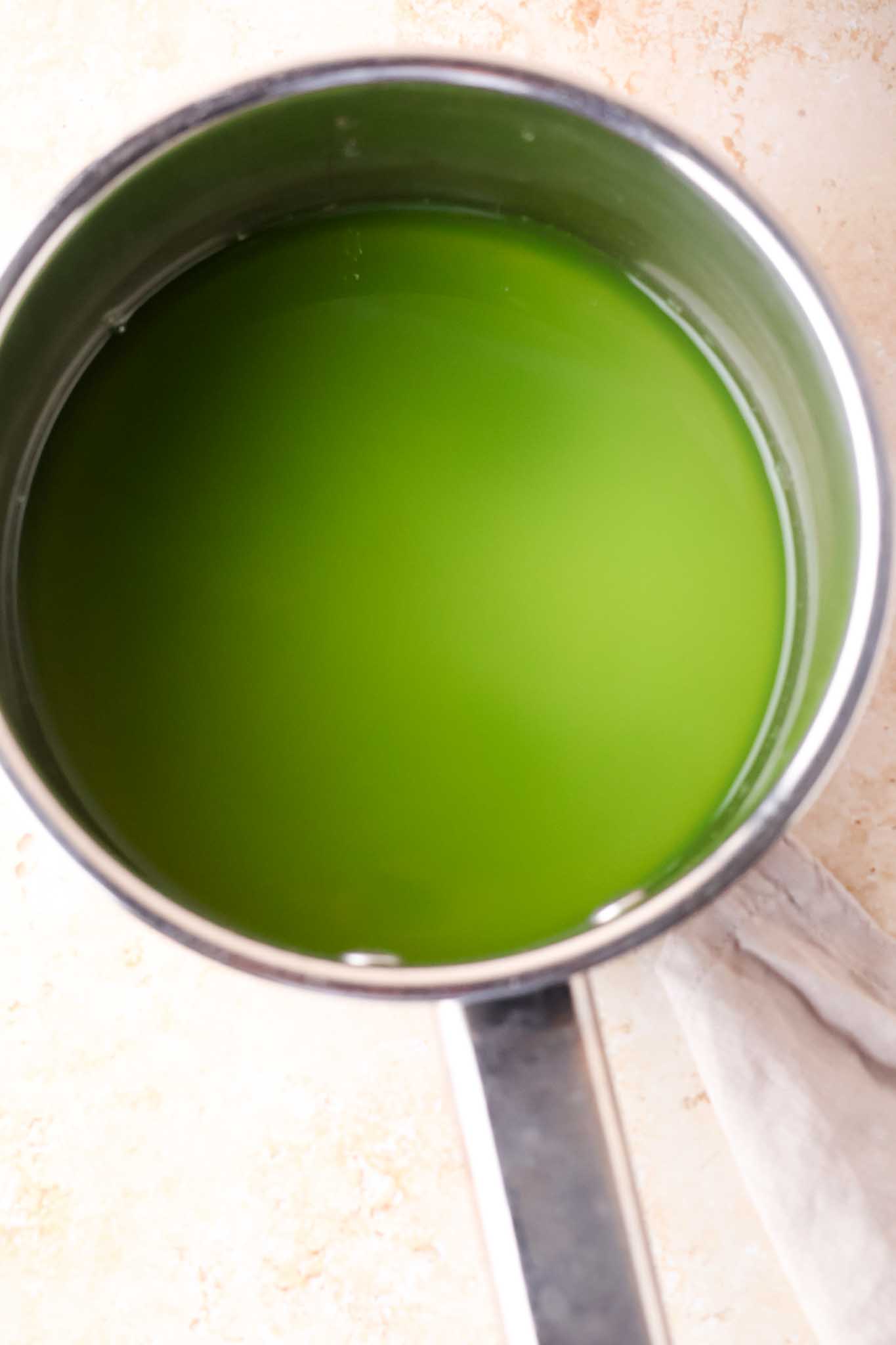
Combine sugar and water in a saucepan over medium-low heat. Stir until the sugar is fully dissolved. Do not boil – you don’t need to, and boiling evaporates water, concentrating the syrup beyond your intended ratio. Once dissolved, remove from heat and cool completely before bottling.
The heat also sterilizes the mixture slightly, which extends shelf life. For 2:1 syrup, heat is essentially required – the concentration is too high to dissolve cold without a lot of effort.
The cold method
For 1:1, you don’t actually need heat. Combine equal parts sugar and water in a jar, seal it, and shake for 20–30 seconds every 15 minutes for about an hour. The sugar dissolves fully without any cooking.
The cold method has real advantages: no pot to wash, no waiting for the syrup to cool, and the yield is precise (1 cup sugar + 1 cup water = 1.5 cups syrup; heat evaporates some of that). The texture is also slightly different – cold-processed syrup retains more of the sucrose structure, giving it a subtly silkier feel.
For delicate herb infusions, cold processing is actually preferable. Heat can dull the brightness of fresh herbs and push them toward a cooked, slightly muddy flavour. My mint simple syrup recipe would work with cold method for exactly this reason.
Can you substitute one for the other?
Yes – but not blindly, and the math is less obvious than it looks.
Because 2:1 is about 1.35 times sweeter than 1:1 (not twice as sweet), the substitution isn’t a simple halving. As a working rule:
1 tablespoon of 1:1 → use about 2 teaspoons of 2:1, then taste
Start conservative and adjust. The key is understanding that 2:1 isn’t just sweeter – it’s more concentrated in every dimension, including dilution and flavor impact.
What about other syrup ratios?
1:1 and 2:1 cover almost every use case, but a few others are worth knowing:
- 3:2 simple syrup ratio: sometimes called the original pharmacist’s ratio, used historically in soda fountains. Sits between 1:1 and 2:1 in sweetness and dilution. Rarely called for today but useful if you want something in between.
- 3:1 simple syrup ratio: very thick and intensely sweet. Hard to work with and rarely necessary. I think it’s only relevant if you’re making a syrup base for bottling or very high-concentration use.
- Gomme syrup: a 1 to 1 or 2 to 1 base with gum arabic added. The gum arabic acts as an emulsifier and thickener, giving drinks a distinctly silky, smooth mouthfeel. It was the standard in 19th-century cocktail bars and is seeing a revival. If you’ve ever wondered why a Whiskey Sour at a great bar feels different to the one at home, gomme syrup is often the answer.
Does the type of sugar change things?
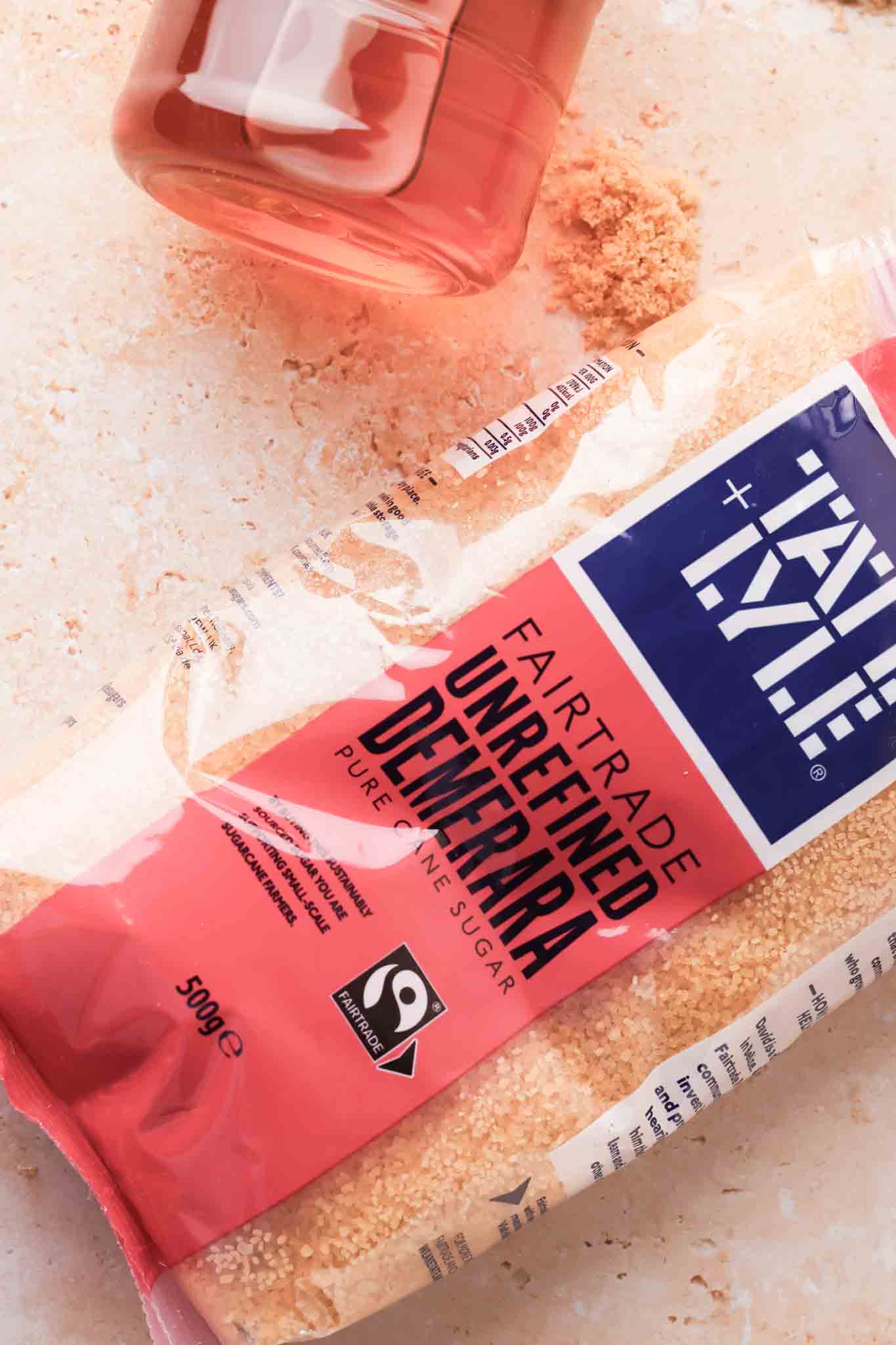
Yes, though the ratio stays the same. White granulated sugar gives the most neutral flavor, it sweetens without adding anything else. But once you’re comfortable with the basics, swapping the sugar is one of the easiest ways to build complexity. (I have a full guide on how to choose the right sugar for your syrup if you want to go deeper.)
- Demerara or turbinado: light molasses notes, works beautifully in whiskey cocktails and Old Fashioneds
- Brown sugar: deeper, caramel-forward – excellent in espresso syrups. My brown sugar vanilla syrup is a good example of how much character a sugar swap adds.
- Muscovado: strong molasses, almost smoky – use carefully in small batches
- Honey syrup: dilute 2:1 honey to water; honey alone is too thick and viscous to mix cleanly into cold drinks
One technical note: if you’re measuring by volume rather than weight, different sugars pack differently into a cup, which affects the actual concentration. For precision, especially if you’re selling syrups or replicating recipes consistently – weighing your ingredients removes all the guesswork.
Simple syrup ratio for cakes and desserts?
For desserts the choice depends on what you’re doing with the syrup:
- 1:1 for soaking: ideal for lightly moistening sponge cakes, drizzling over fruit, or making a glaze where you want moisture without adding much sweetness. The lower concentration means it absorbs into the cake without pooling.
- 2:1 for drizzling: better for pancakes, waffles, and denser layered cakes where you want a clean, sweet hit on the surface without watering down the texture. It sits on top rather than absorbing through.
For fruit-based dessert syrups, a useful starting point is 2 parts fruit to 1 part sugar to 1 part water, cooked gently until the sugar dissolves and the fruit breaks down. Syrups like lemon, orange, and blood orange all work beautifully with this approach – bright, flavorful, and not overwhelmingly sweet.
So which simple syrup ratio should you use?
It’s not about better or worse. Think of them as different tools:
- 1:1 = lightness and flexibility. Use it for bright flavors, delicate infusions, and when following standard recipes.
- 2:1 = structure and longevity. Use it for bold syrups, espresso drinks, long shelf life, and precision in cocktails.
When I’m experimenting with a new flavor, I start with 1:1. When I’m refining it for regular use, gifting, or selling, I move to 2:1.
Understanding these ratios is what shifts syrup-making from following instructions to understanding what you’re actually doing, and once you reach that point, every syrup you make becomes more intentional.
More FAQs
Should simple syrup be 1:1 or 2:1?
It depends on your use. A 1:1 ratio (equal parts sugar and water) is standard and works for most drinks. A 2:1 ratio (more sugar than water) makes a richer, sweeter syrup that lasts longer and is used when you want more sweetness without adding extra liquid.
How to make 500ml of simple syrup?
For 1:1 syrup, mix 2 cup water with 2 cup sugar. Heat gently and stir until dissolved. Let cool before using.

Welcome! I’m Rakiya, a syrup enthusiast with 5 years of experience developing flavors. Every recipe is tested and refined for tasty results. My tips, variations and photos come directly from my kitchen experiments.