Apple Cider Syrup
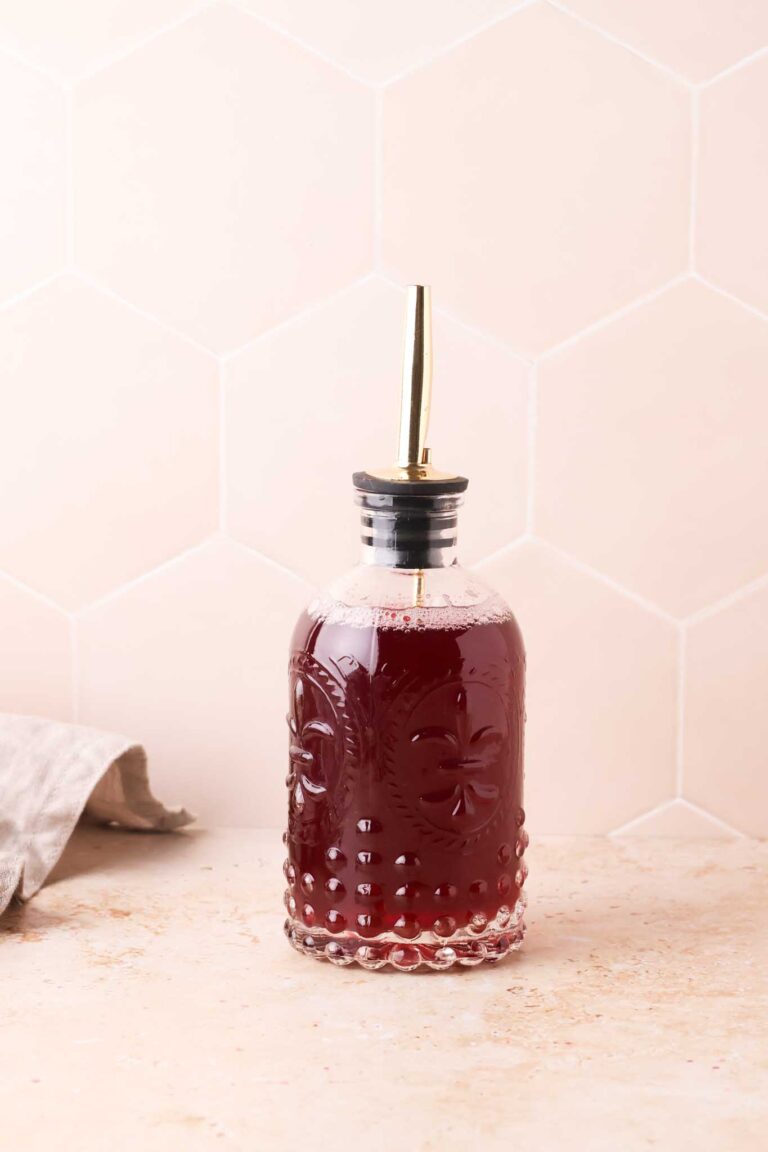
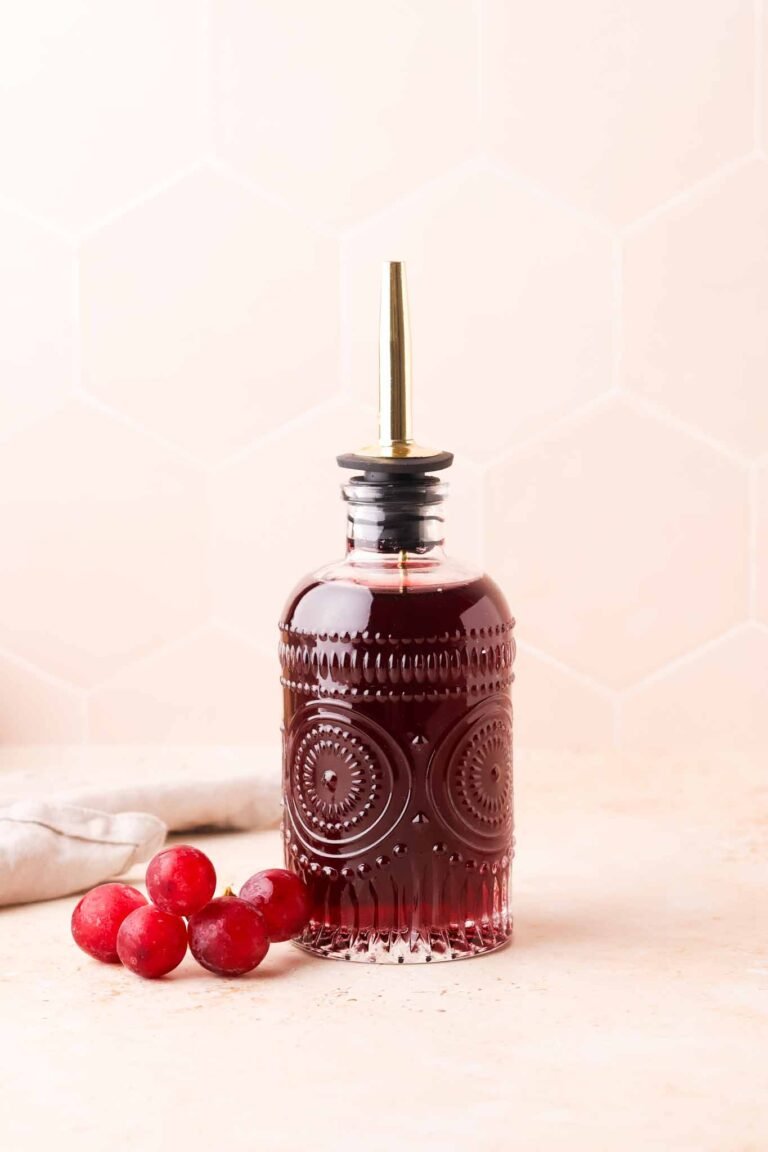
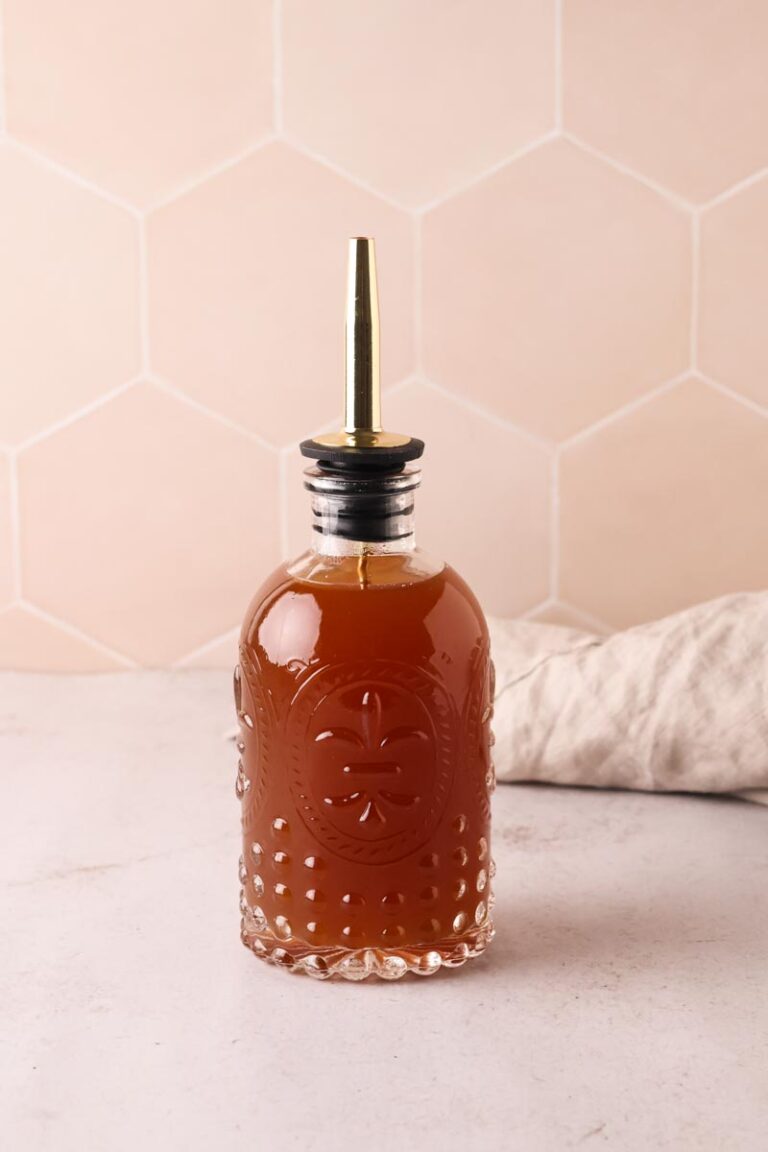
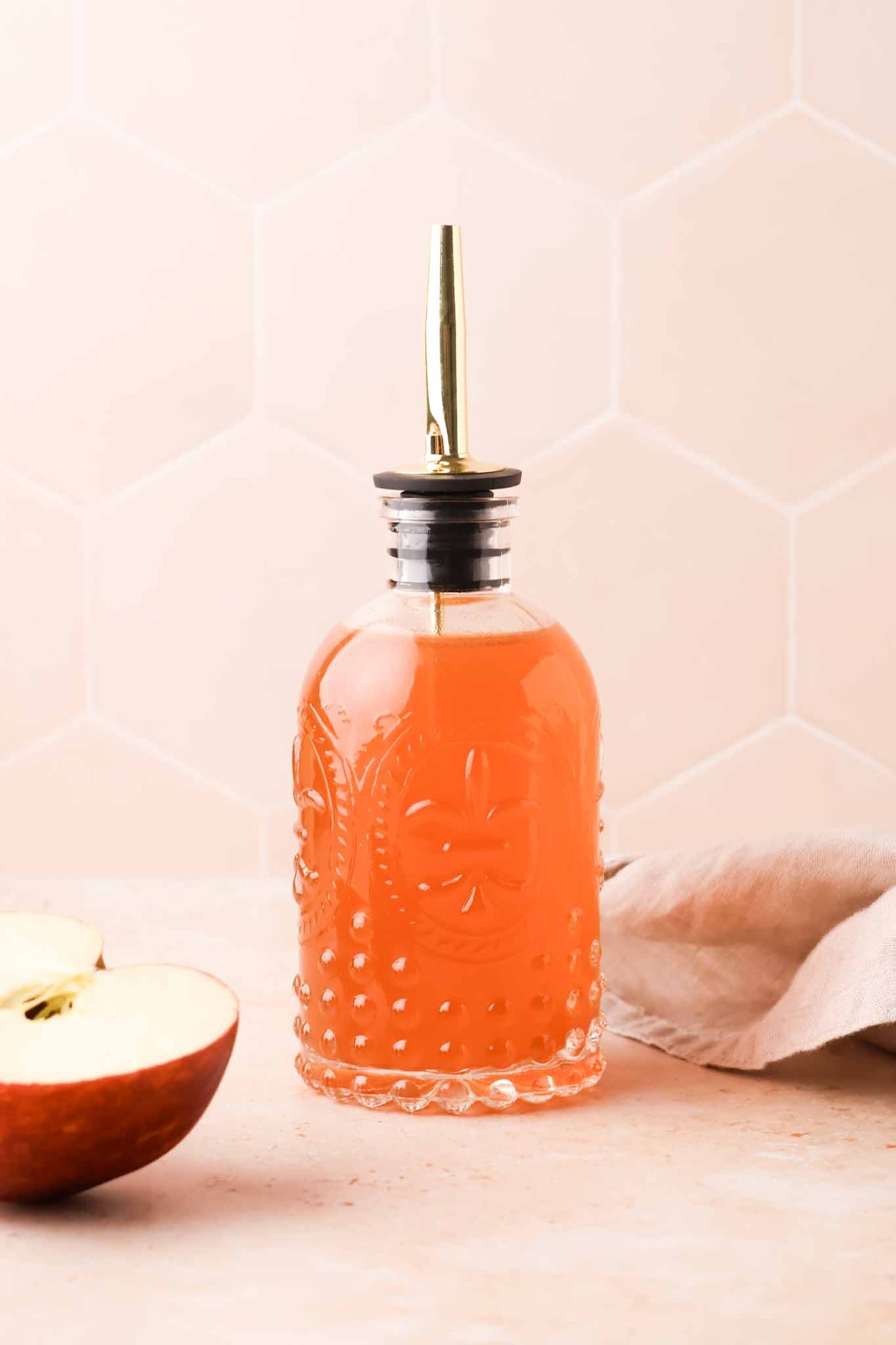
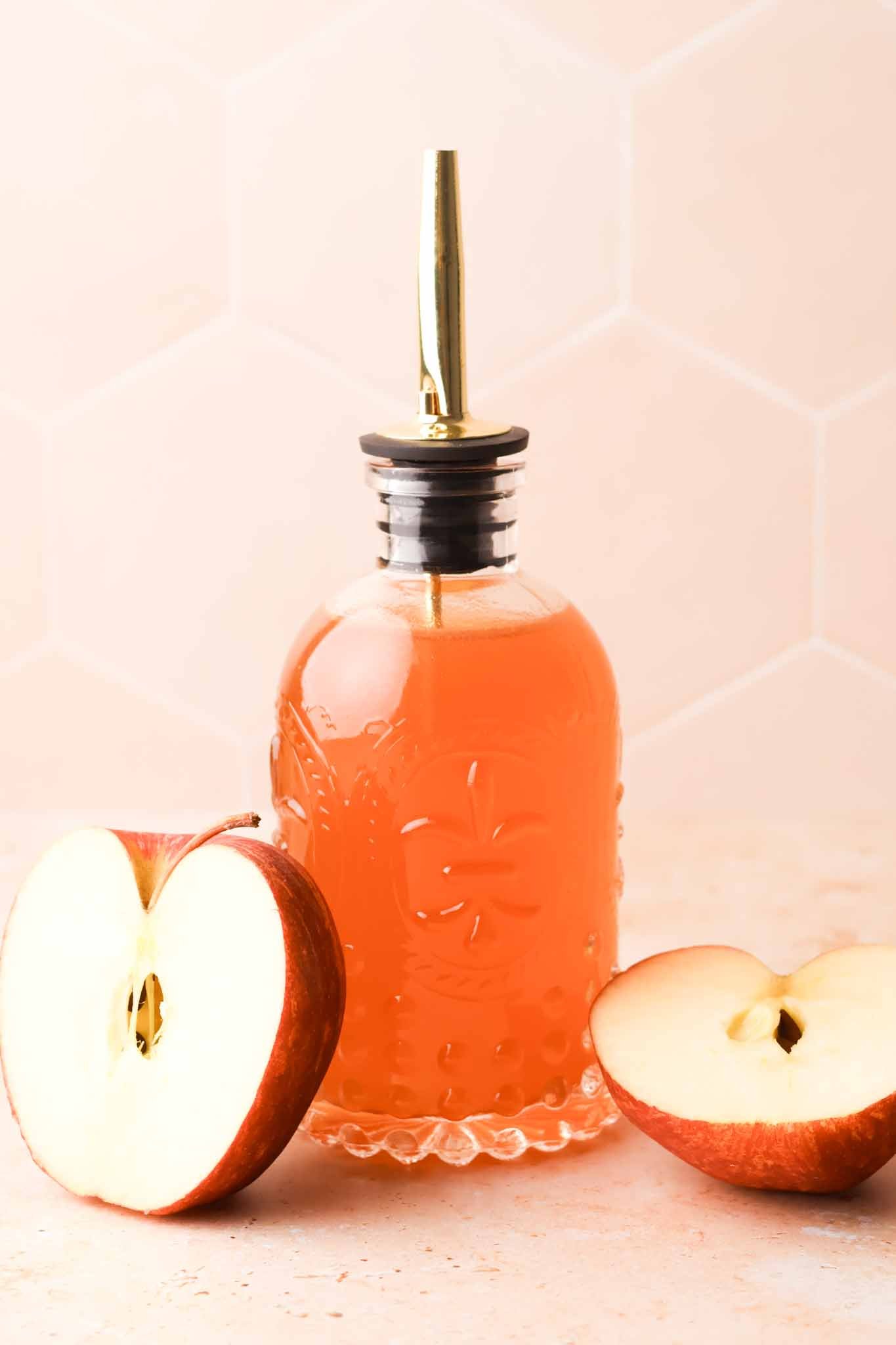
Apple cider syrup is a rich, deeply concentrated reduction made by slowly simmering fresh apple cider down to a thick, pourable syrup. It takes about 30 minutes of mostly hands-off time and needs no added sugar. Stir it into your morning latte, drizzle it over pancakes, or shake it into a fall cocktail for an easy way to get that pure apple flavor.
How this recipe came together
I started testing apple cider syrup in early fall last year when I had way more fresh apple cider than I could drink before it turned. Reducing it down felt like the obvious answer, and the result was so much more concentrated and complex than anything you can buy.
Apple cider syrup ratio
Because apple cider syrup is a reduction rather than a sugar-based syrup, the ratio works differently. You are not measuring water to sugar. Instead, you are measuring how far you reduce the cider down. A standard reduction for apple cider syrup is 4:1, meaning four cups of fresh apple cider reduces down to about one cup of finished syrup. The exact yield depends on the sugar content of your cider and how low you keep the heat. For a thick, almost molasses-like concentrate, push it to 5:1.
Ingredients for apple cider syrup
- Apple cider: fresh, unfiltered cider is the only required ingredient; the natural sugars concentrate as it reduces, so quality matters here
- Cinnamon stick (optional): drop one in while it simmers to add a light spice note without overpowering the apple
- Lemon juice (optional): a small squeeze at the end brightens the flavor and helps the syrup stay fresh longer in the fridge
How to make apple cider syrup
I pour the cider into a wide, heavy-bottomed saucepan because a larger surface area speeds up evaporation without requiring high heat. I bring it up to a medium simmer, not a full rolling boil, and then let it go. High heat scorches the natural sugars quickly, so I stay close and adjust as needed. The cider will foam up in the first few minutes, which is normal. I skim it off and keep going.
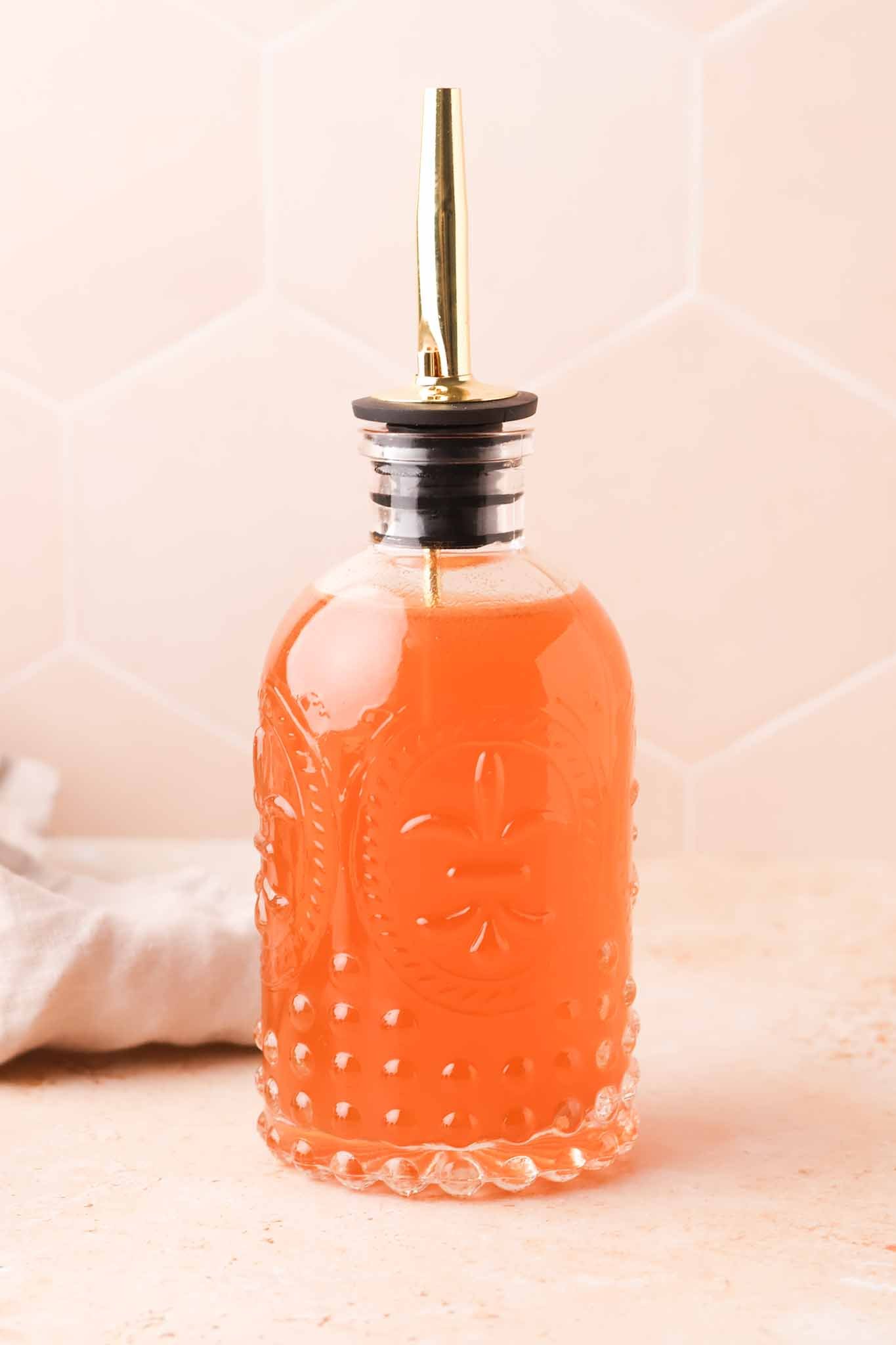
After about 20 minutes the cider starts to smell almost caramel-like and the color deepens to a dark amber. I check the consistency by dropping a small amount on a cold plate. If it thickens slightly as it cools, it is ready. I pull it off the heat and let it cool in the pan for 10 minutes before transferring to a jar. It will continue to thicken as it cools completely.
The process of reducing apple cider to syrup is low-effort but not no-effort. The last few minutes are where most people run into trouble. When you are reducing apple cider to syrup, the difference between a perfect thick drizzle and a solid puck in your fridge is only a matter of a few minutes, so do a plate test early and often in that final stretch.
Tips for making a really good apple cider syrup
- Use fresh, unfiltered cider from a farmers market or farm stand if you can. The flavor of the finished syrup is only as good as what you start with.
- Keep the heat at medium or medium-low the whole time. High heat burns the sugars before they have a chance to reduce properly.
- A wide pan is better than a narrow one. More surface area means faster, more even evaporation.
- Do not walk away for long stretches once the cider has reduced by half. It goes from perfect to too thick quickly near the end.
- If your syrup hardens completely in the fridge, you reduced it too far. Thin it back out by warming it gently with a splash of water.
What apple cider syrup tastes like
- Sweetness: naturally sweet from concentrated fruit sugars, without the sharp edge of refined sugar
- Primary note: deep, jammy apple, somewhere between fresh pressed cider and apple butter
- Secondary note: warm caramel undertone that develops during the reduction process
- Overall profile: rich and complex, with a rounded finish that tastes unmistakably like fall
For a simpler, sugar-based take on the same fall flavor, the apple simple syrup and apple cinnamon syrup recipes are both worth bookmarking alongside this one.
For just the cinnamon note on its own, cinnamon simple syrup is a versatile companion that works across all the same fall drinks.
Making your own apple cider first
If you want to go fully from scratch, you can press your own apple cider before reducing it down to syrup. You do not need any special equipment to get started. A juicer handles it easily. A blender and fine mesh strainer works too, though it takes more effort to get the pulp fully out.
Choose apples with good natural sugar and flavor. A mix works better than a single variety. Fuji and Honeycrisp bring sweetness. Granny Smith adds tartness and complexity. Winesap and McIntosh are classic cider apples if you can find them. Wash and core the apples, then juice or blend them. Strain the pulp out thoroughly before you start reducing, as any solids left in will scorch on the bottom of the pan. From there, the process is exactly the same as starting with store-bought cider.
Ways to use apple cider syrup
- Hot lattes: stir into a brown butter latte, a dirty chai, or a plain oat milk latte as a fall sweetener
- Cocktails: shake with bourbon, lemon juice, and ice for a simple apple cider whiskey sour, or add to a spiced rum punch
- Pancakes and waffles: many fruit syrups like this can be used in place of maple syrup or drizzle both for a layered fall stack
- Salad dressings: whisk into an apple cider vinaigrette to balance the acid with a concentrated sweet apple note
- Glazes and marinades: brush onto roasted tenderloin or chicken thighs in the last few minutes of cooking
- Yogurt and oatmeal: swirl a small spoonful into plain yogurt or overnight oats for natural fruit sweetness
Storage and shelf life
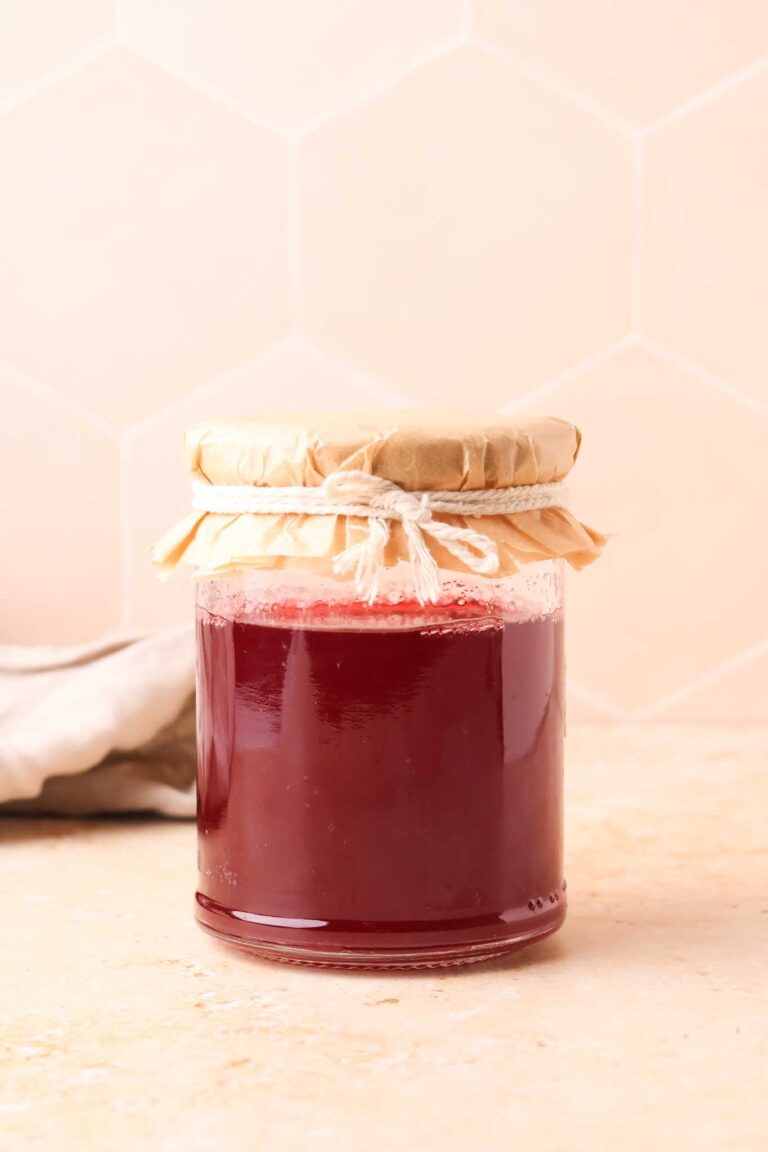
Apple cider syrup keeps well in a sealed glass jar in the refrigerator for up to three weeks. Because there is no added sugar acting as a preservative the way a traditional simple syrup has, keep an eye on it around the two week mark. Signs it has turned include a cloudy, off-smell or any visible mold at the surface. For longer storage, freeze it in an ice cube tray and transfer the frozen cubes to a zip bag. Frozen apple cider syrup keeps for up to three months and thaws quickly at room temperature or in warm water.
Variations
- Spiced apple cider syrup: simmer with a cinnamon stick, two whole cloves, and a star anise pod for a mulled-cider version
- Apple cider and ginger syrup: add a few slices of fresh ginger to the pan for a sharp, warming bite that pairs well with cocktails
- Apple cider and vanilla syrup: stir in half a teaspoon of pure vanilla extract after removing from heat for a dessert-forward version
- Boiled apple cider syrup: reduce all the way to a very thick, dark paste for use as a baking ingredient in apple butter, pie fillings, or glazes
Frequently asked questions
Is apple cider syrup the same as apple cider simple syrup?
Not exactly. Apple cider syrup is a pure reduction with no added sugar. Apple cider simple syrup typically combines apple cider with sugar, which gives you more control over sweetness and a thinner consistency. Both work well as cocktail mixers or coffee sweeteners, but the reduction method gives you a more concentrated, complex apple flavor.
Can I use apple juice instead of apple cider?
You can, but the results will be noticeably different. Apple juice is filtered and has a much milder flavor, so your finished syrup will taste lighter and less complex. Fresh, unfiltered cider has more natural pectin, tannins, and fruit solids, which is what gives the reduced syrup its depth. If apple cider is not available, look for cloudy apple juice as the closest substitute.
Why did my apple cider syrup turn solid in the fridge?
It was reduced too far. Apple cider is high in natural pectin, which gels when concentrated. If it sets hard, warm the jar gently in a pan of hot water, then stir in a tablespoon or two of warm water until it loosens to the consistency you want. Next batch, pull it off the heat slightly earlier or test with a cold plate before it gets too thick
Equipment
- Wide pan
- Wooden spoon or spatula
Ingredients
- 4 cups fresh unfiltered apple cider
- 1 cinnamon stick optional
- 1 teaspoon fresh lemon juice optional, added at the end
Instructions
- Pour the apple cider into a wide, heavy-bottomed saucepan. Add the cinnamon stick if using.
- Bring to a medium simmer over medium heat. Do not let it reach a full boil.
- Skim off any foam that rises in the first few minutes.
- Simmer uncovered for 25 to 30 minutes, stirring occasionally, until the cider has reduced to about one cup and coats the back of a spoon.
- Test consistency by dropping a small amount on a cold plate. It should thicken slightly as it cools.
- Remove from heat and discard the cinnamon stick. Stir in lemon juice if using.
- Cool for 10 minutes in the pan, then transfer to a sealed glass jar. The syrup will thicken further as it cools completely.
Notes
Did you make this recipe?
Please take a moment to leave a comment and provide a star rating below. You can also share your creation on Instagram and tag @mysyruparchive – Thank you for your feedback!

Welcome! I’m Rakiya, a syrup enthusiast with years of experience developing flavors. Every recipe is tested and refined for tasty results. My tips, variations and photos come directly from my kitchen experiments.