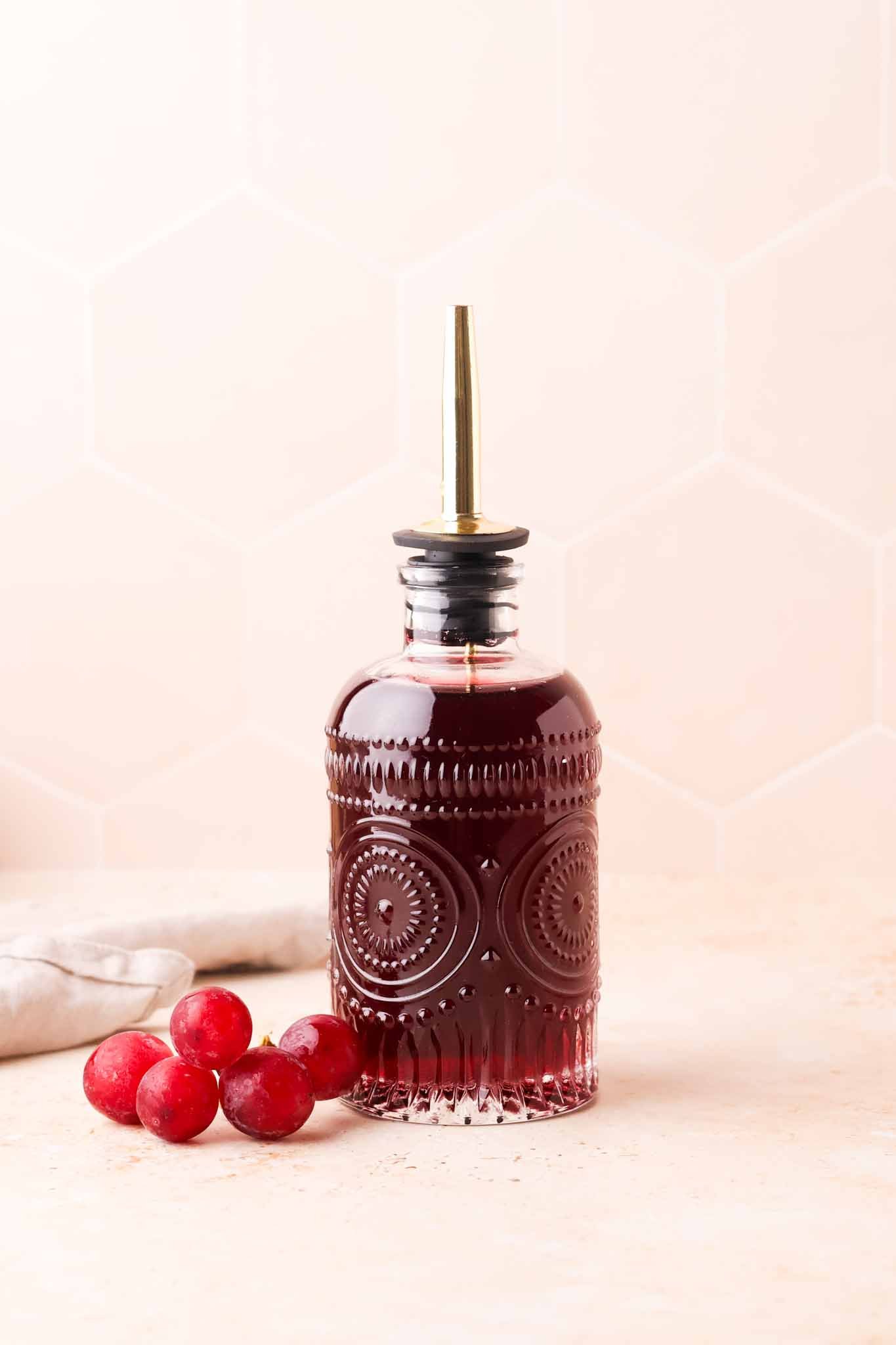
Grape Syrup
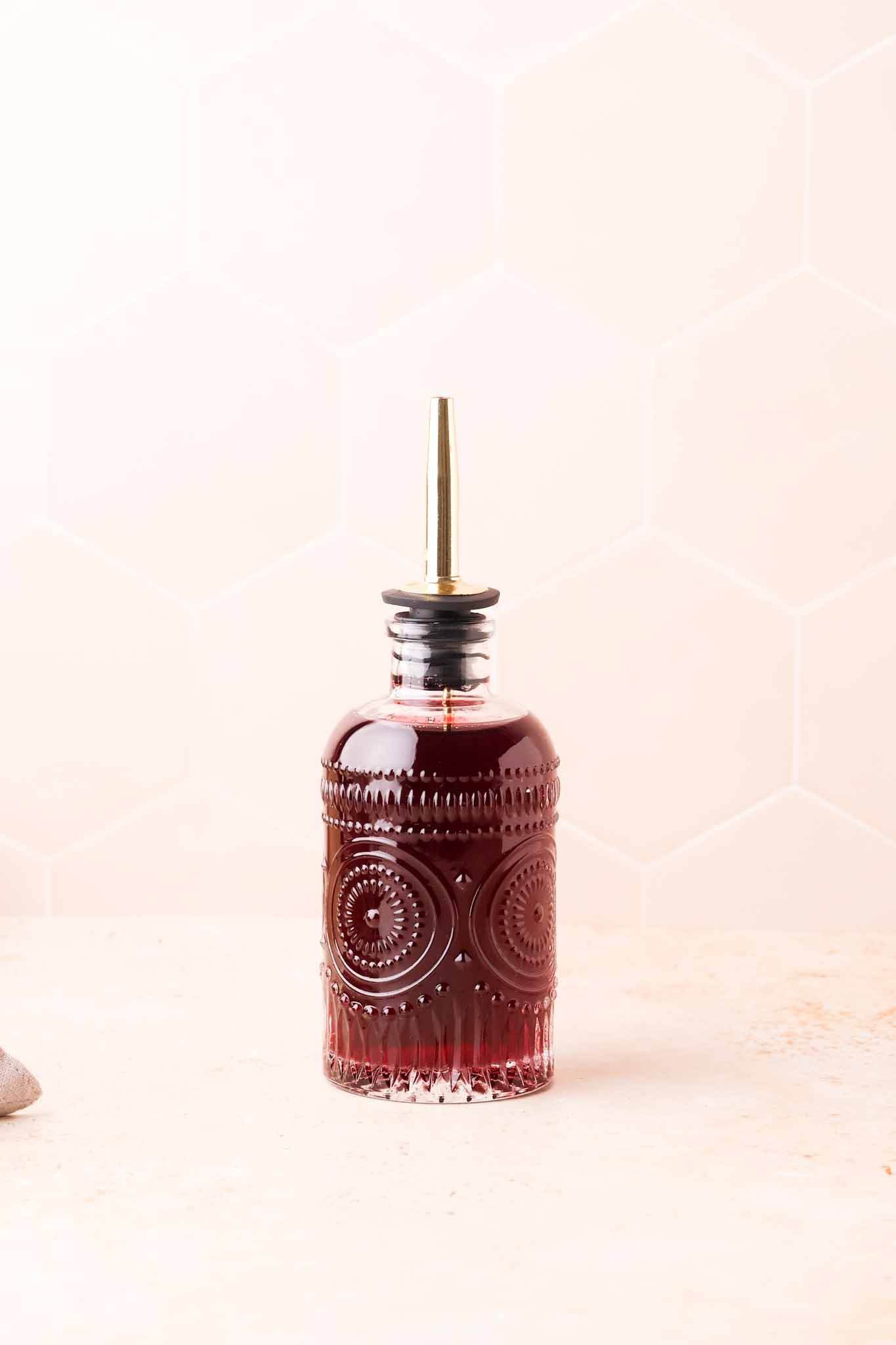
Grape syrup is a rich, deep-flavored concentrate you can make at home in under 20 minutes with just three ingredients. It is not something you will find on most grocery shelves, but it is one of the easiest homemade syrups to make, and it delivers a bolder, more concentrated grape flavor than juice alone.
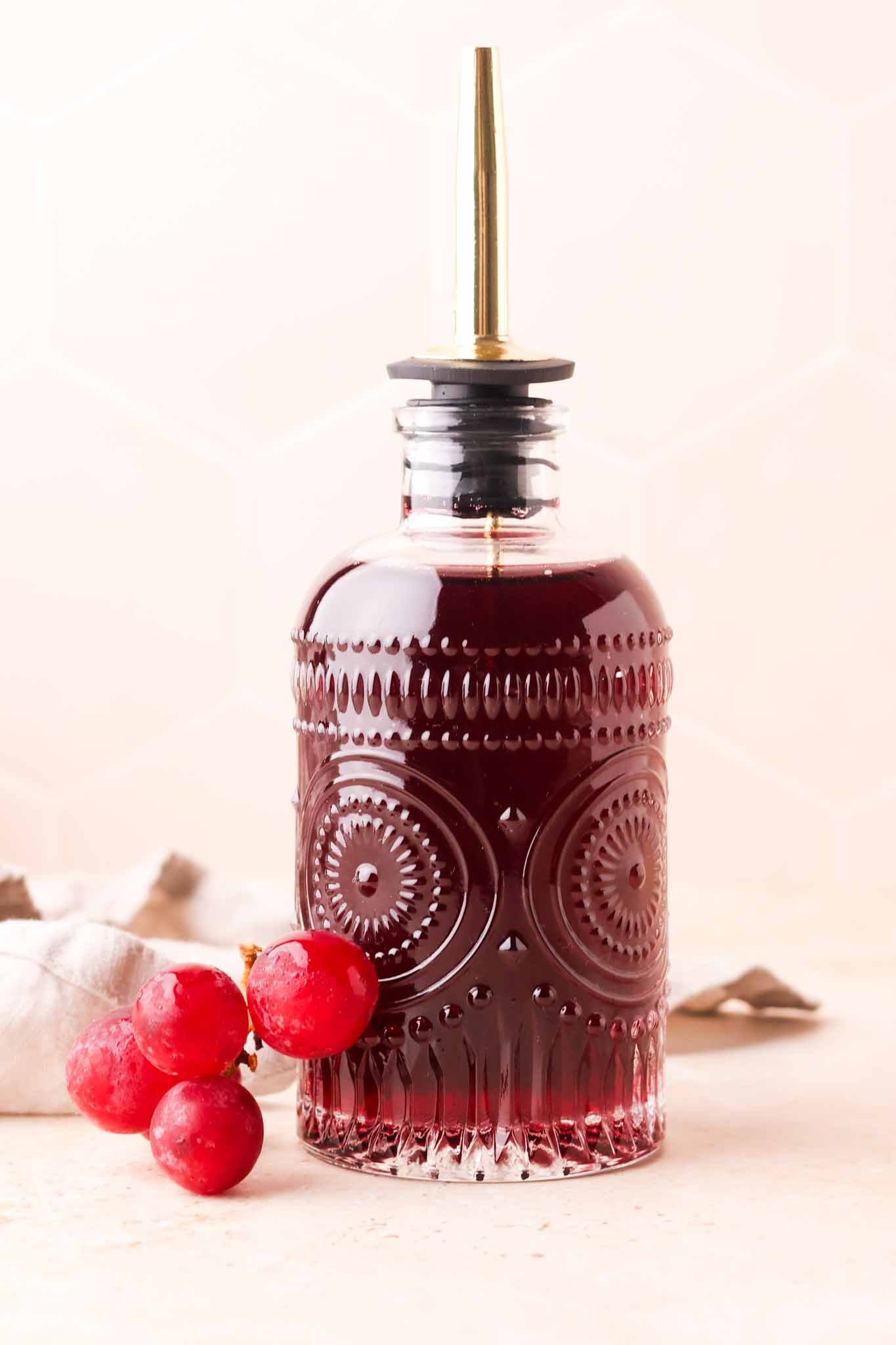
This recipe covers two methods: grape syrup from grape juice for a quick weeknight batch, or from fresh grapes when you want a more textured, fruit-forward result. Once you have a jar in the fridge, stir it into sparkling water for a homemade grape soda, drizzle it over pancakes or shaved ice, or use it to sweeten cocktails and lemonades all season long.
How this recipe came together
Most grape syrup recipes lean entirely on juice, but fresh grapes have a brightness that juice alone loses in processing. Testing both methods side by side made it clear they each have a place, so this recipe keeps them equal and lets you choose based on what you have on hand.
The grape you start with matters more than most people expect. Concord grapes, which is what most bottled grape juice is made from, give a syrup with that familiar deep, jammy flavor. Table grapes like red or green seedless varieties produce something milder and less distinctly grape-forward, closer to a light fruit syrup.
Store-bought grape juice sits somewhere in between, since it is usually Concord-based but diluted and pasteurized. None of these are wrong, they just land in different places, which is part of why this recipe keeps both the juice and fresh grape methods rather than picking one.
Grape syrup ratio
This recipe uses a 1:1 ratio of sugar to liquid, which is the standard simple syrup ratio. At this ratio, grape syrup stays thin enough to pour easily and dissolve into cold drinks without stirring for too long. If you want a thicker consistency closer to a drizzle or topping, you can use a 2:1 ratio.
Ingredients for grape syrup recipe
- Grapes or grape juice: the base of the syrup. Concord grapes give the most intense flavor, but any dark or red grape works; grape juice is the shortcut when fresh grapes are not in season
- White sugar: dissolves cleanly and lets the grape flavor come through without adding competing sweetness
- Water: used only in the fresh grape method to help extract the juice during cooking. Skip this if starting from juice
- Lemon juice: a small amount balances the sweetness and brightens the overall flavor
How to make grape syrup
For the grape juice method, I start by combining equal parts grape juice and white sugar in a small saucepan over medium heat. I stir as it heats to help the sugar dissolve, then once the liquid is clear and just barely simmering, I pull it off the heat. That is really all there is to it. The syrup thickens slightly as it cools, so I let it sit at room temperature for about ten minutes before transferring it to a jar.
For the fresh grape method, I add the grapes and a splash of water to a saucepan and crush them gently with the back of a spoon as they heat up. Once the grapes have released most of their juice and the mixture is bubbling softly, I strain everything through a fine mesh sieve into a clean pan, pressing the solids to get as much liquid as possible. From there it follows the same path as the juice method: sugar goes in, I stir until dissolved, then take it off the heat and let it cool.
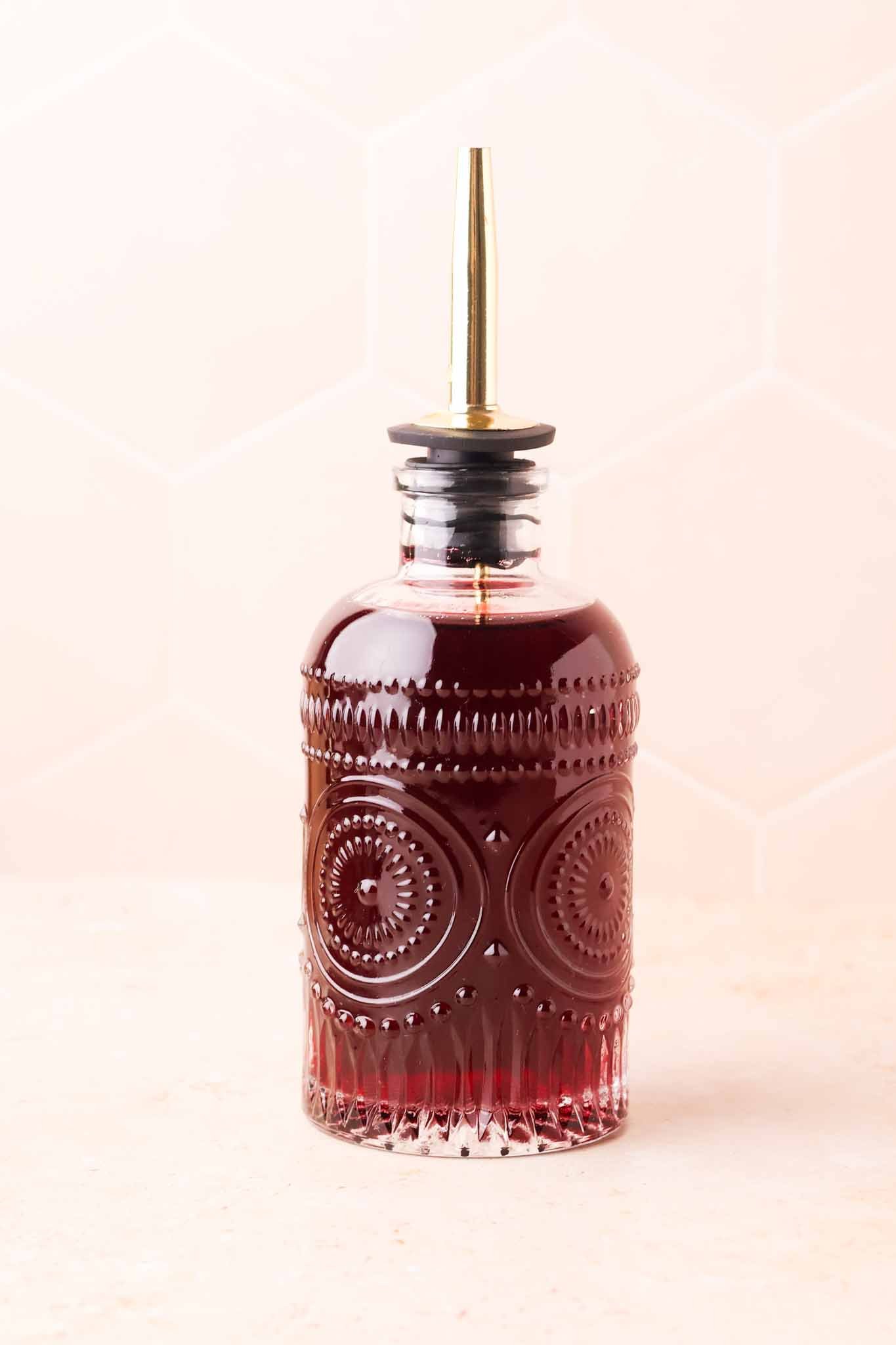
Both methods produce a glossy, deeply colored syrup with good grape flavor. The fresh grape version has a slightly more complex, less uniform taste that works well when grape syrup is the hero of a drink. The juice version is cleaner and easier to batch. Either way, the syrup is done as soon as the sugar fully dissolves and the liquid runs clear, you do not need to wait for it to thicken on the stove since it does that naturally as it cools.
Tips for the best grape syrup
- Use Concord grapes if you can find them. They have the most pronounced, classic grape flavor and produce a beautifully dark syrup.
- Do not boil. A gentle simmer is all you need. Boiling can make the grape syrup taste slightly cooked and dull the fresh grape flavor.
- Strain the fresh grape version twice if your syrup looks cloudy. A second pass through cheesecloth gives a cleaner, glossier result.
- Add lemon juice off the heat. Stirring it in at the end rather than during cooking preserves the brightness.
- Let it cool before tasting for sweetness. Hot syrup always tastes less sweet than it will at room temperature.
What grape syrup tastes like
- Sweetness: moderate to high; the 1:1 ratio keeps it pleasant
- Primary note: deep, jammy grape with a slight tannic edge, especially in the fresh grape version
- Secondary note: a light muskiness from the grape skins, plus a faint brightness from the lemon juice that lifts the finish
- Overall profile: rich and fruit-forward, closer to a concentrated Concord grape juice than a candy or artificial grape flavor
For a similar dark, jammy depth in the berry family, blackberry syrup is a natural companion. If you enjoy the bold, complex tartness here, blackcurrant syrup takes that intensity even further.
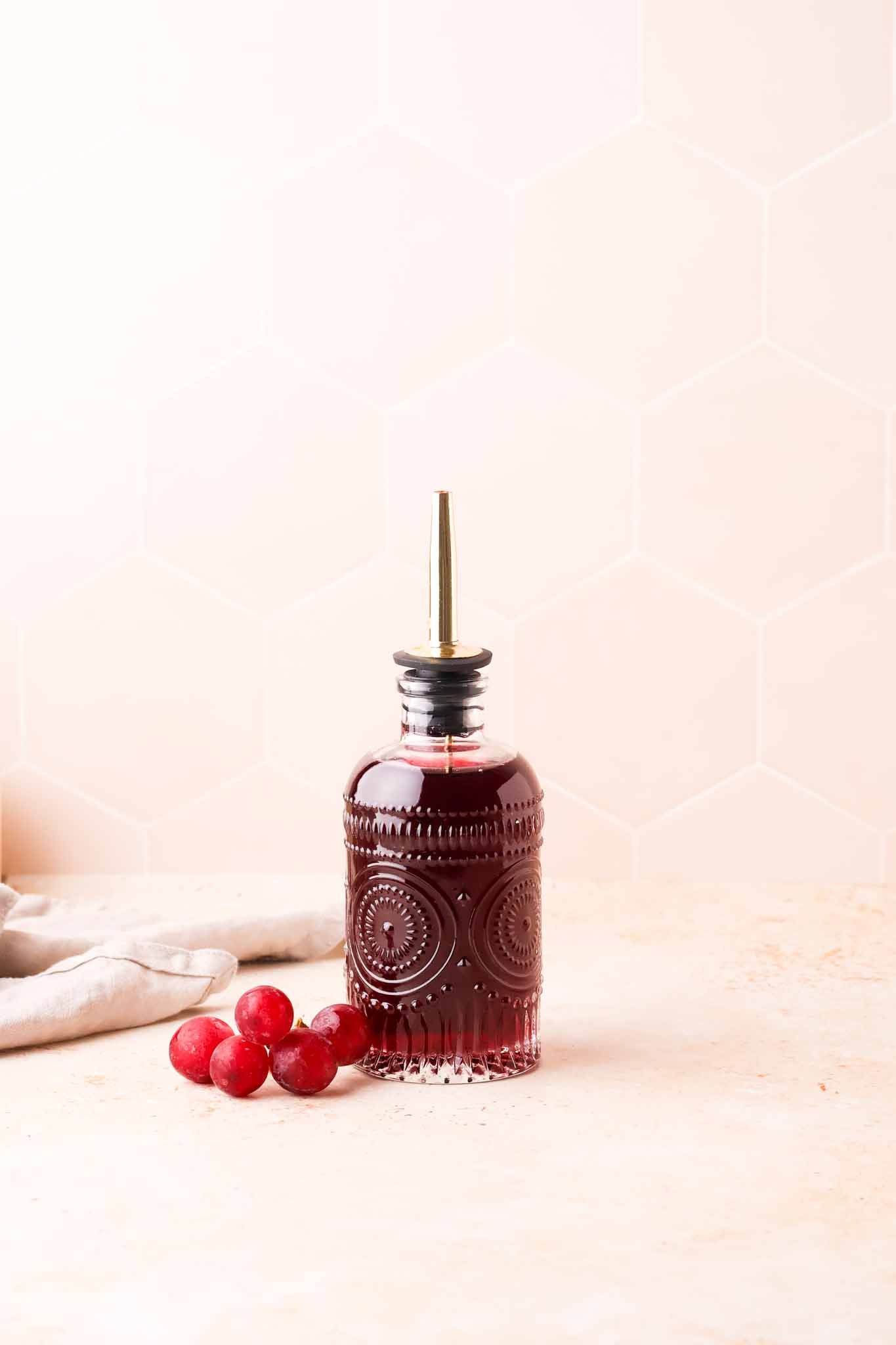
Ways to use grape syrup
- Sparkling drinks: mix with club soda over ice for a quick grape soda, or use as the base for a homemade grape shrub with a splash of vinegar
- Cocktails: stir into a gin fizz, add to a bourbon sour in place of simple syrup, or shake into a grape whiskey sour
- Snow cones: drizzle over shaved ice for a classic grape snow cone. It pairs well with a cream topping
- Pancakes and waffles: drizzle straight over a stack instead of maple syrup. It works especially well with pancakes or French toast
- Yogurt and oatmeal: swirl into plain yogurt with a handful of granola, or stir into warm oatmeal for a natural sweetener with more flavor than plain syrup
- Salad dressings: whisk into a vinaigrette with red wine vinegar and olive oil for a sweet-tart grape dressing over a salad
Storage and shelf life
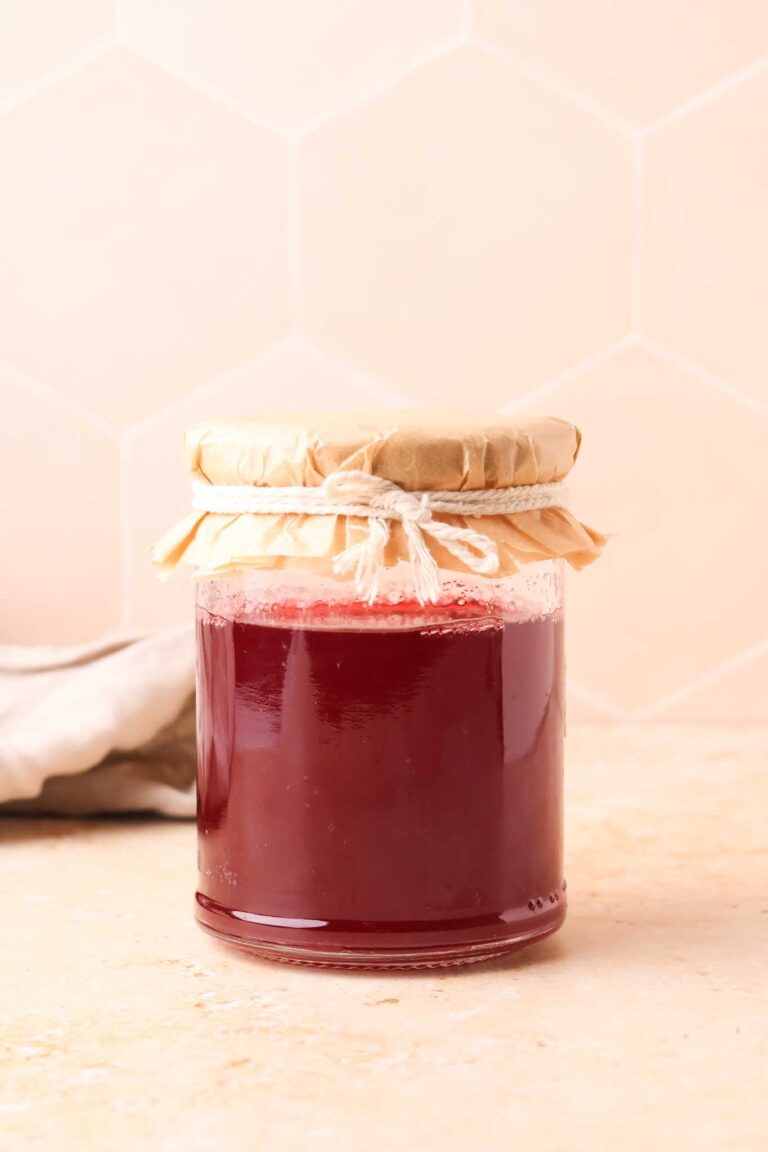
Store grape syrup in a sealed glass jar or bottle in the refrigerator. It keeps well for up to three weeks. The fresh grape version may have a slightly shorter fridge life than the juice version because of the natural fruit solids, so it is worth making in smaller batches unless you use it quickly.
Signs that the syrup has turned include a fermented smell, visible mold, or a bubbling texture. Grape syrup can be frozen in an ice cube tray and transferred to a freezer bag; frozen portions keep for up to three months and thaw quickly at room temperature or in the fridge overnight.
Variations
- Spiced grape syrup: add a cinnamon stick and two cloves to the saucepan while the syrup heats; remove before bottling
- Grape and rosemary syrup: steep a fresh rosemary sprig in the finished syrup for five minutes; the herbal note pairs well with cocktails
- White grape syrup: swap Concord or red grapes for white grapes or white grape juice for a lighter, more floral flavor
Frequently asked questions
Is grape syrup the same as grape juice?
No. Grape juice is thinner and unsweetened beyond what is naturally in the fruit, while grape syrup has sugar dissolved into it, which gives it a thicker consistency and a more concentrated flavor. Grape juice is meant to be a drink on its own, while grape syrup is meant to be used in small amounts as a flavoring or sweetener.
Is grape molasses the same as grape syrup?
No, though they are related. Grape molasses, also called pekmez in some cuisines, is made by cooking down grape juice for a long time without adding sugar, which concentrates the natural sugars and gives it a thick, dark, almost caramel-like flavor. This grape syrup recipe uses added sugar and a much shorter cook time, so it stays lighter in both color and flavor, and tastes more distinctly of fresh grapes.
Can I use any type of grape to make grape syrup?
Yes. Concord grapes give the strongest, most classic grape flavor, but red, purple, or even green grapes all work. Dark-skinned grapes produce a richer color and more complex taste. Green grapes make a lighter, more delicate syrup with a subtler flavor.
Ingredients
- 1 cup grape juice
- 1 cup white sugar
- 1 teaspoon lemon juice
- 2 cups fresh grapes stems removed
- 1/4 cup water
- 1 cup white sugar
- 1 teaspoon lemon juice
Instructions
Juice method
- Combine grape juice and sugar in a small saucepan over medium heat.
- Stir continuously until the sugar is fully dissolved and the liquid is clear, about 3 to 5 minutes. Do not boil.
- Remove from heat and stir in lemon juice.
- Let cool for 10 minutes, then transfer to a sealed jar. Refrigerate.
Fresh grapes method
- Add grapes and water to a small saucepan over medium heat. Crush the grapes gently with the back of a spoon as they heat.
- Cook for 8 to 10 minutes, stirring occasionally, until the grapes have fully released their juice and the mixture is bubbling softly.
- Strain through a fine mesh sieve into a clean saucepan, pressing the solids to extract as much liquid as possible. Discard solids.
- Add sugar to the grape liquid and return to medium heat. Stir until the sugar dissolves completely and the liquid is clear.
- Remove from heat and stir in lemon juice.
- Let cool for 10 minutes, then transfer to a sealed jar. Refrigerate.
Notes
Did you make this recipe?
Please take a moment to leave a comment and provide a star rating below. You can also share your creation on Instagram and tag @mysyruparchive – Thank you for your feedback!

Welcome! I’m Rakiya, a syrup enthusiast with years of experience developing flavors. Every recipe is tested and refined for tasty results. My tips, variations and photos come directly from my kitchen experiments.
Really delicious. Thanks for sharing.
Thanks!