Earl Grey Simple Syrup
This Earl Grey simple syrup is the secret behind a great London Fog at home. Think floral, bergamot flavors, and ready in 10 minutes. Made with tea bags or loose leaf and works in cocktails, lattes and iced tea.
If you have been making simple syrups from tea and have not tried this one yet, it is worth moving up the list. If you enjoy this style of leaf-based syrup, the green tea simple syrup follows a similar approach and is worth exploring too.
Recipe testing
I worked through this one after a few batches of tested Earl Grey simple syrup recipe came out more bitter than floral. The steeping method turned out to matter far more than the tea brand or the sugar ratio, and it took three rounds of adjusting the steep time and temperature before the bergamot came through clearly without the tannin bitterness taking over.
Earl Grey simple syrup formula
The base is a standard 1:1 ratio, 1 cup white sugar to 1 cup water, which is the same starting point as most of the tea and flower-based syrups here. The standard base produces a syrup fluid enough for any application while concentrated enough that a few tablespoon delivers a noticeable flavor contribution in a finished drink.
Four tea bags per 1 cup of water is the right amount for a clear, identifiable Earl Grey flavor without the syrup becoming overwhelmingly tannic. At two bags the bergamot was pleasant but thin, easy to miss in anything with milk. At six bags the bitterness became the dominant note rather than the floral citrus quality the tea is known for. Four bags is the consistent sweet spot.
Get exact sugar, water, and yield amounts for any ratio — 1:1, 2:1, or 1:2 — in grams, ounces, or cups.
Use the simple syrup calculator →Ingredients
- Earl Grey tea bags (or loose leaf Earl Grey) – the tea brand matters more here than in most recipes because Earl Grey varies significantly in bergamot intensity between brands. If you want a more intensely floral result, look for a Earl Grey with lavender or a double bergamot version, both of which push the flavor further without requiring more steep time.
- Granulated white sugar – sugar type is important. Brown sugar adds a molasses note that competes with the delicate bergamot character. The tea flavor is subtle enough that any competing note from the sugar base will mute it so stick with white.
- Water – with a flavor this delicate, water quality is more noticeable than in the stronger-flavored syrups.
- Optional: pure vanilla extract – it softens the slightly astringent edge that even a well-steeped Earl Grey syrup can carry. I include it most of the time, especially when using the syrup in a London Fog or a latte.
- Optional: fresh lemon zest – the lemon zest amplifies the bergamot’s citrus quality and makes the overall flavor feel brighter and more pronounced.
How to make Earl Grey simple syrup
Combine the sugar and water in a small saucepan over medium heat and stir until the sugar dissolves fully, about 2 to 3 minutes. You want a plain simple syrup at this stage before the tea goes in. Remove the pan from the heat completely. This step is not optional and it is the most important part of the whole method. The syrup needs to come off the burner before the tea is added. Even the residual heat from the pan on a still-warm burner is enough to over-extract the tannins if you leave it there.
Add the tea bags to the hot syrup. If using loose leaf, add it in a tea infuser that you can remove cleanly. Add the lemon zest now if using. Set a timer for exactly 5 minutes. Do not steep longer than this regardless of how strong you want the flavor. The bergamot oils infuse quickly at this temperature and the tannins catch up fast. Five minutes is the window where the flavor is developed and the bitterness is still controlled.
When the timer goes off, remove the tea bags by lifting them straight out of the syrup. Do not squeeze them. Squeezing a tea bag at the end of steeping is the single most common reason Earl Grey syrups come out bitter. The liquid inside an oversteeped tea bag is the most concentrated source of tannins in the whole pan and pressing it into the syrup defeats the purpose of the careful steep time you just maintained.
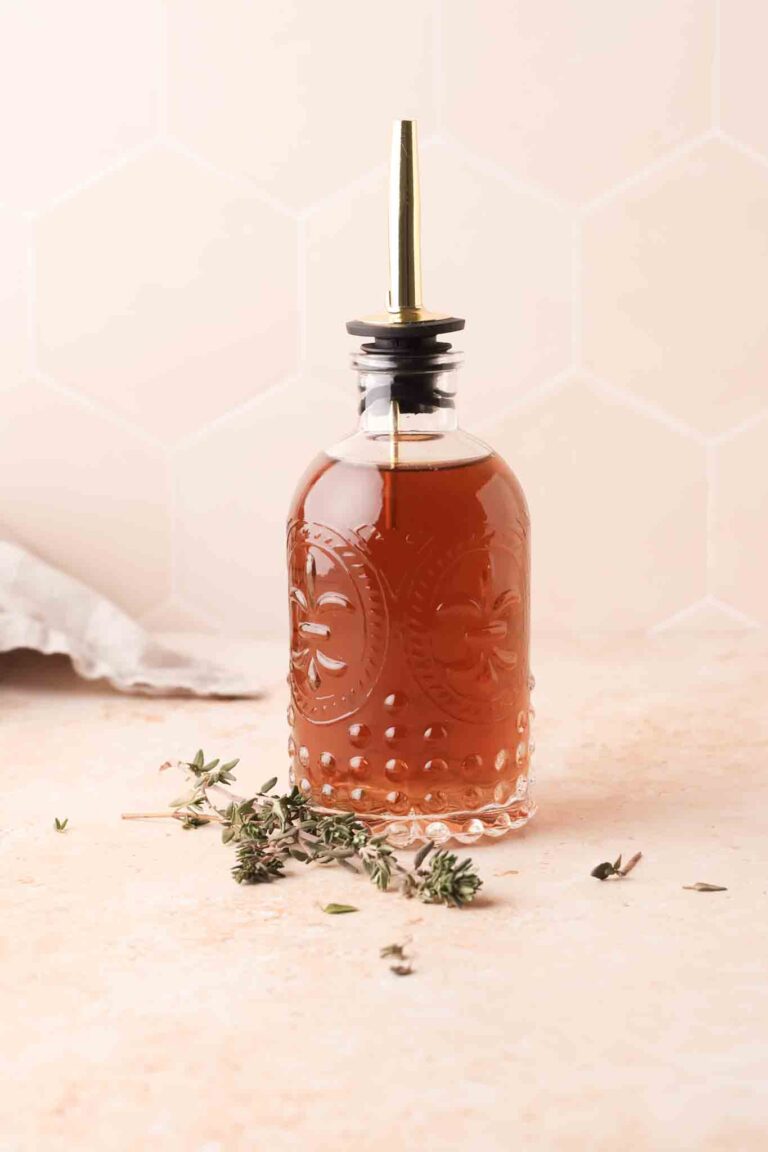
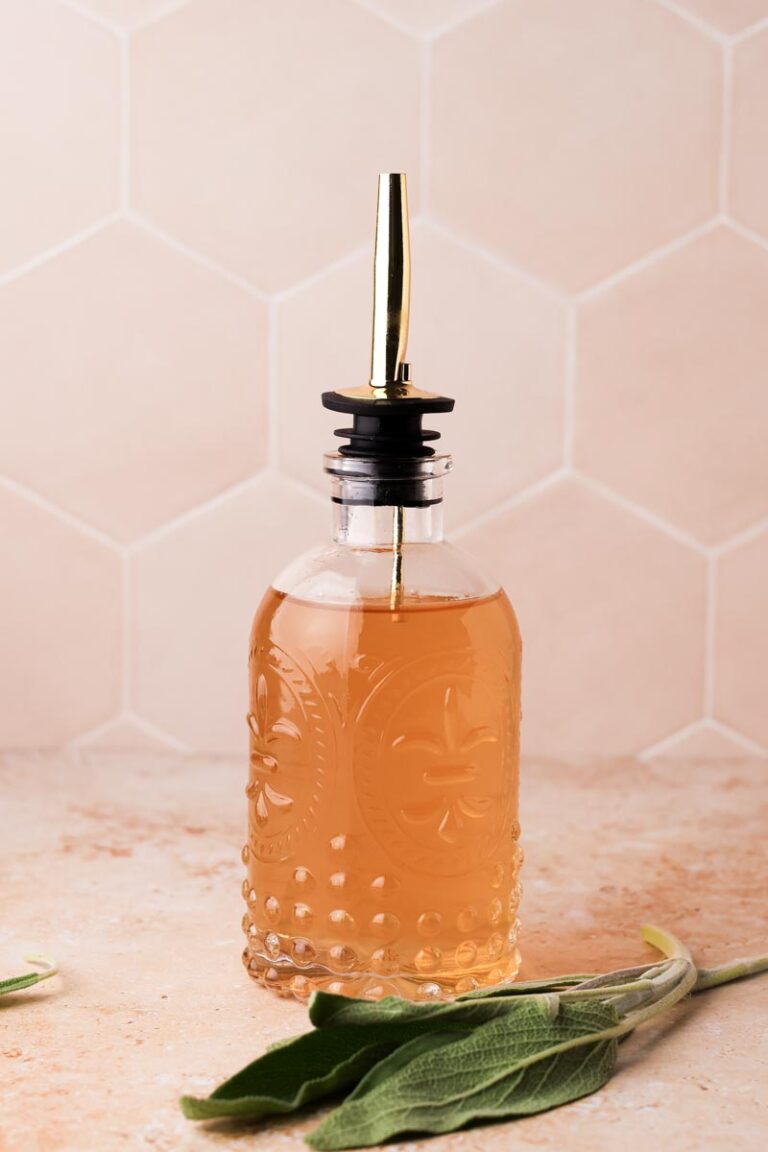
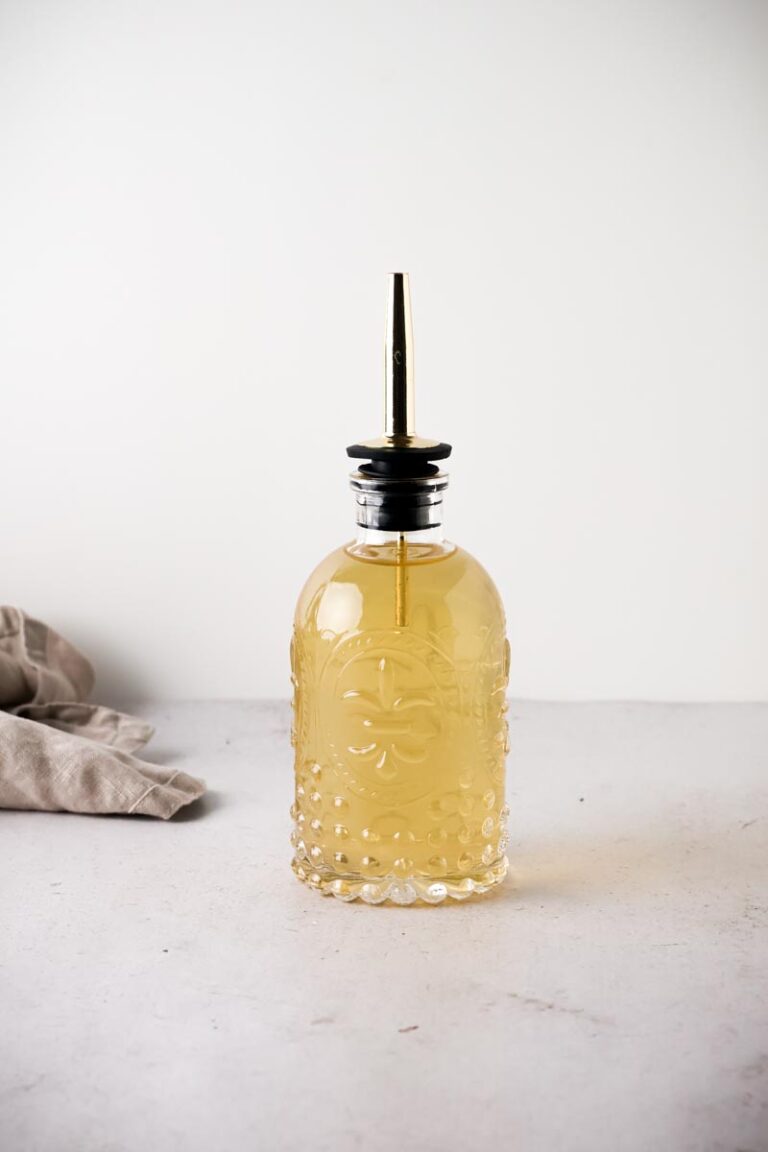
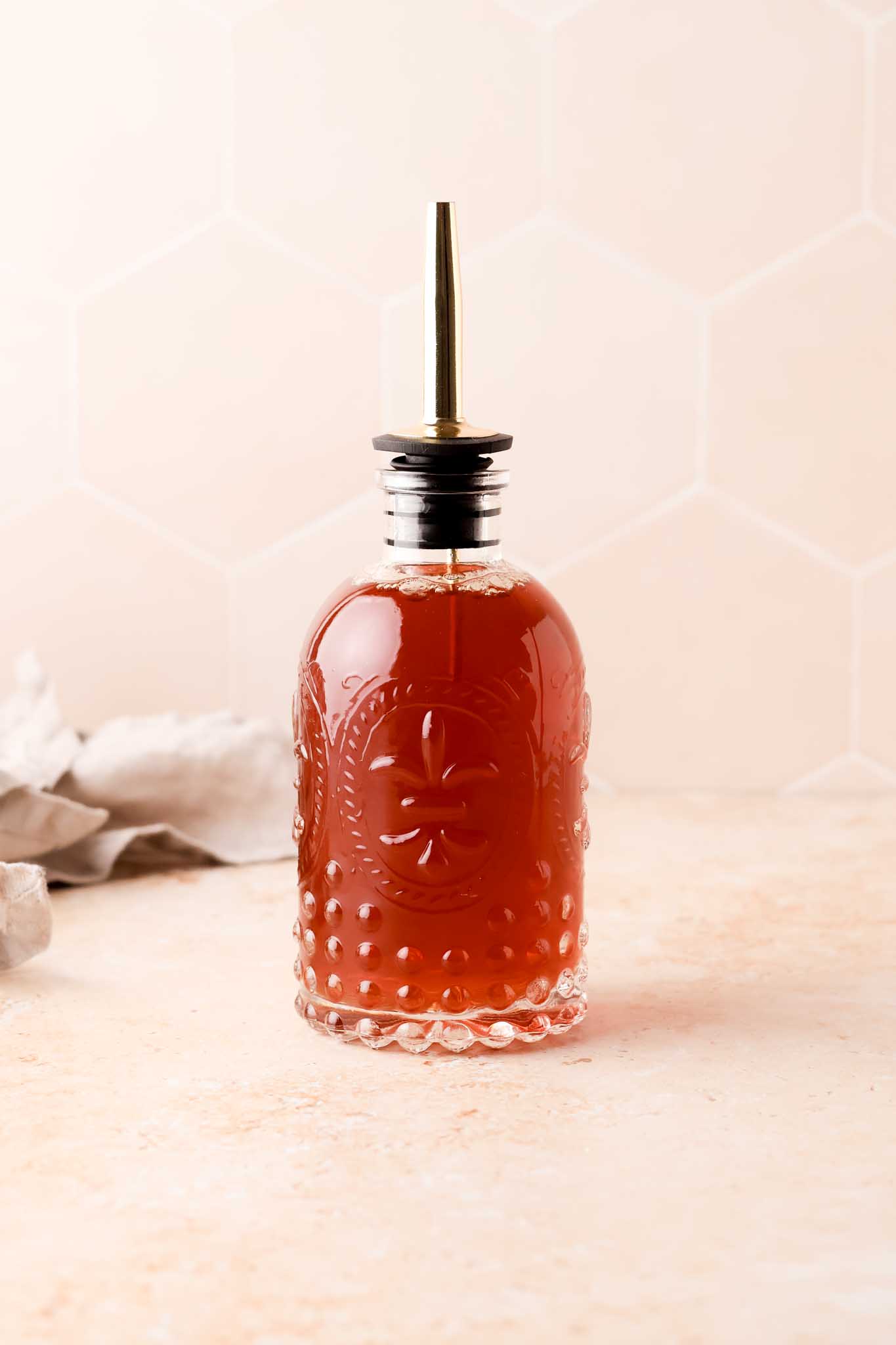
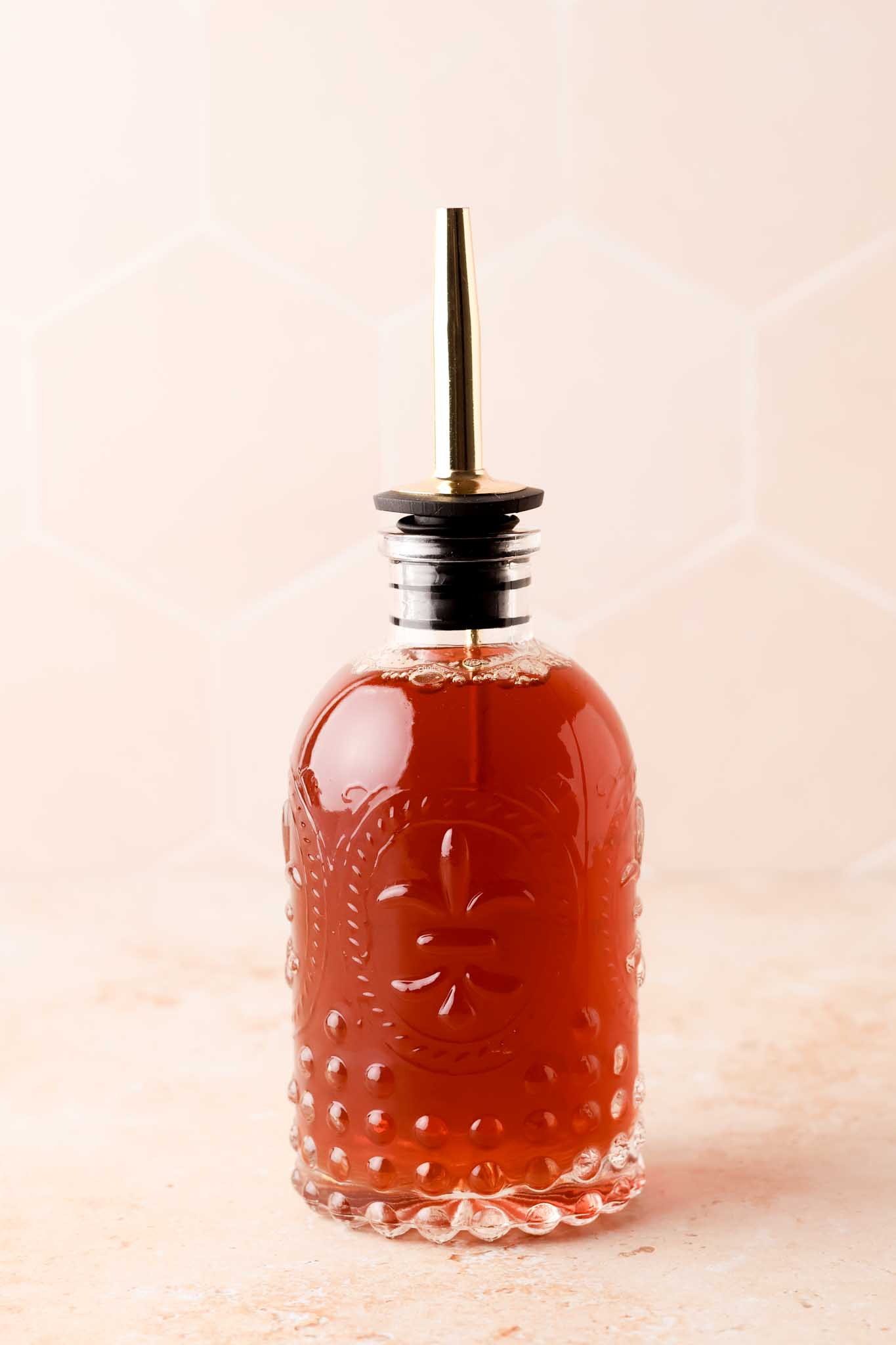
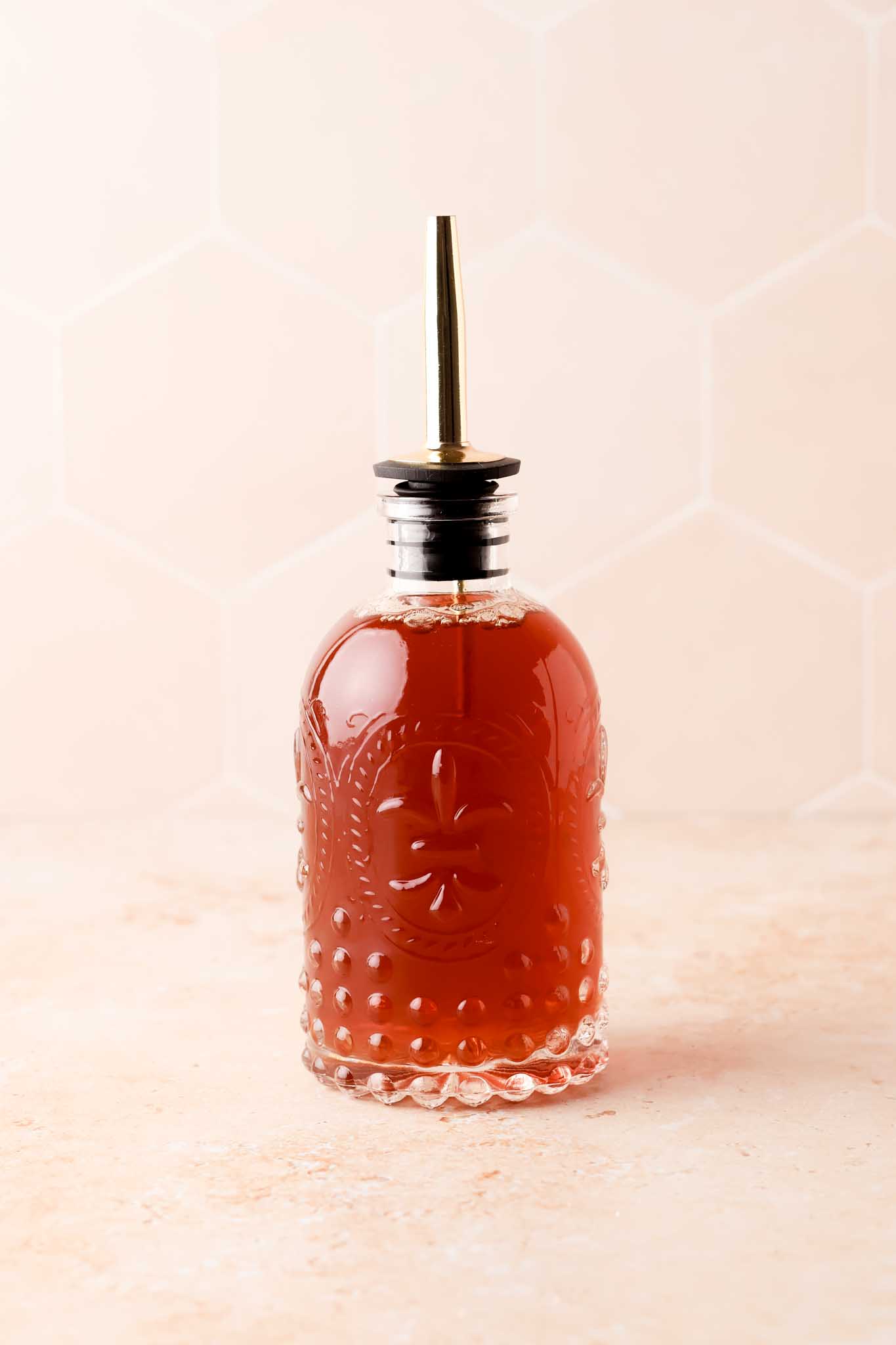
Stir in vanilla extract if using, then let the syrup cool to room temperature before sealing and refrigerating. The bergamot aroma will be noticeably present as it cools. That is a good sign. The finished Earl Grey simple syrup should be a clear, medium-deep amber color with a clean floral and faintly citrusy smell when you open the jar.
Notes & tips from recipe testing
Tea bags versus loose leaf: I tested this Earl Grey infused simple syrup recipe both with the same brand and steep time. Loose leaf produced a slightly more complex, layered flavor with more floral depth. Tea bags produced a cleaner, more consistent result that was easier to control. For everyday use, tea bags are perfectly fine and easier to work with.
Brand comparison: I tested Twinings, Bigelow, Harney and Sons, and Stash side by side using the same method. Harney and Sons produced the most intensely bergamot-forward syrup, recognizable immediately in a finished drink. Twinings was close behind and the most widely available. Bigelow was pleasant but lighter. Stash was the mildest and required an extra half minute of steep time to reach comparable intensity. Use whatever you have, but know that the final flavor will vary.
The no-squeeze rule is the difference between a good Earl grey syrup batch and a bitter one. It is tempting to want to squeeze out every drop because the syrup looks like it is wasting, but it will add bitterness. Resist it!
If your Earl Grey syrup still tastes slightly bitter after a correctly timed steep, a very small pinch of baking soda stirred in while the syrup is still warm may help neutralize it. Use a literal pinch. This is a recovery technique for an over-steeped batch rather than a standard step. It’s hit or miss.
Taste and flavor notes
- Sweetness: clean and light, less sugary in drinks
- Primary note: bergamot, the citrus oil that defines Earl Grey
- Secondary note: faintly tannic finish that adds structure without bitterness
- Overall profile: elegant and aromatic.
Earl Grey simple syrup uses
- London Fog latte – the most classic application for Earl Grey syrup. A small splash of vanilla extract in the milk before steaming ties everything together.
- Earl Grey iced latte – the syrup keeps the bergamot present through the dilution of the ice and milk in a way that a plain sweetener would not. Good for a warm weather version of the London Fog.
- Earl Grey lemonade – this is the most approachable application for people unfamiliar with Earl Grey since the lemon flavor is familiar and the bergamot reads as an interesting background note rather than the main event.
- Cocktails – the bergamot pairs naturally with gin, vodka, and light rum. Beautiful in old fashioned!
- For cakes: use the syrup to moisten layer cakes.
Storage & shelf life
Store Earl Grey tea simple syrup in a sealed glass jar in the refrigerator for up to 3 weeks. Tea-based syrups keep well because after straining they contain no protein or fat, just the dissolved sugar, water, and the soluble compounds from the tea.
Freezing works here too. Pour the Earl Grey syrup into an ice cube tray, one cube per tablespoon, and freeze for up to 3 months. Drop a cube directly into hot tea or a warm latte and it melts quickly. A properly made and refrigerated batch should stay clear and aromatic throughout its shelf life.
Variations
- Lavender Earl Grey simple syrup – add dried culinary lavender to the pan along with the tea bags during steeping.
- Honey Earl Grey simple syrup – replace white sugar with mild honey and reduce the water. The honey adds a warm, slightly floral sweetness that pairs well with the bergamot without competing. The syrup will be slightly thicker and more amber in color.
FAQs
Can I use decaf Earl Grey?
Yes. The caffeine content of the tea does not affect the syrup flavor at all since you are extracting flavor compounds rather than consuming the tea itself.
Why does my syrup taste bitter?
The most common causes are squeezing the tea bags when removing them, steeping in water that was still boiling rather than just off the heat, or using a particularly tannic Earl Grey brand.
How long to steep Earl Grey for syrup?
Steep Earl Grey tea in the hot syrup for less than 5 minutes to infuse the flavor without making it bitter.
Can I use brown sugar for Earl Grey syrup?
Yes, you can use brown sugar for Earl Grey syrup, but it will give it a deeper, slightly caramel-like taste.
Equipment
- Small saucepan
- Tea infuser
Ingredients
- 4 Earl Grey tea bags or 4 tsp loose leaf Earl Grey
- 1 cup granulated white sugar
- 1 cup water
- Optional: 1/4 tsp pure vanilla extract added off heat
- Optional: 1 tsp fresh lemon zest added with the tea
Instructions
- Combine sugar and water in a small saucepan over medium heat.
- Stir until the sugar dissolves completely, about 2 to 3 minutes.
- Remove from heat. Add tea bags (or loose leaf in a strainer) and lemon zest if using.
- Steep for 5 minutes. Do not squeeze the tea bags.
- Remove tea bags or strain out loose leaf. Stir in vanilla extract if using.
- Cool completely, then seal and refrigerate.
Notes
Did you make this recipe?
Please take a moment to leave a comment and provide a star rating below. You can also share your creation on Instagram and tag @mysyruparchive – Thank you for your feedback!

Welcome! I’m Rakiya, a syrup enthusiast with 5 years of experience developing flavors. Every recipe is tested and refined for tasty results. My tips, variations and photos come directly from my kitchen experiments.