Rose Simple Syrup
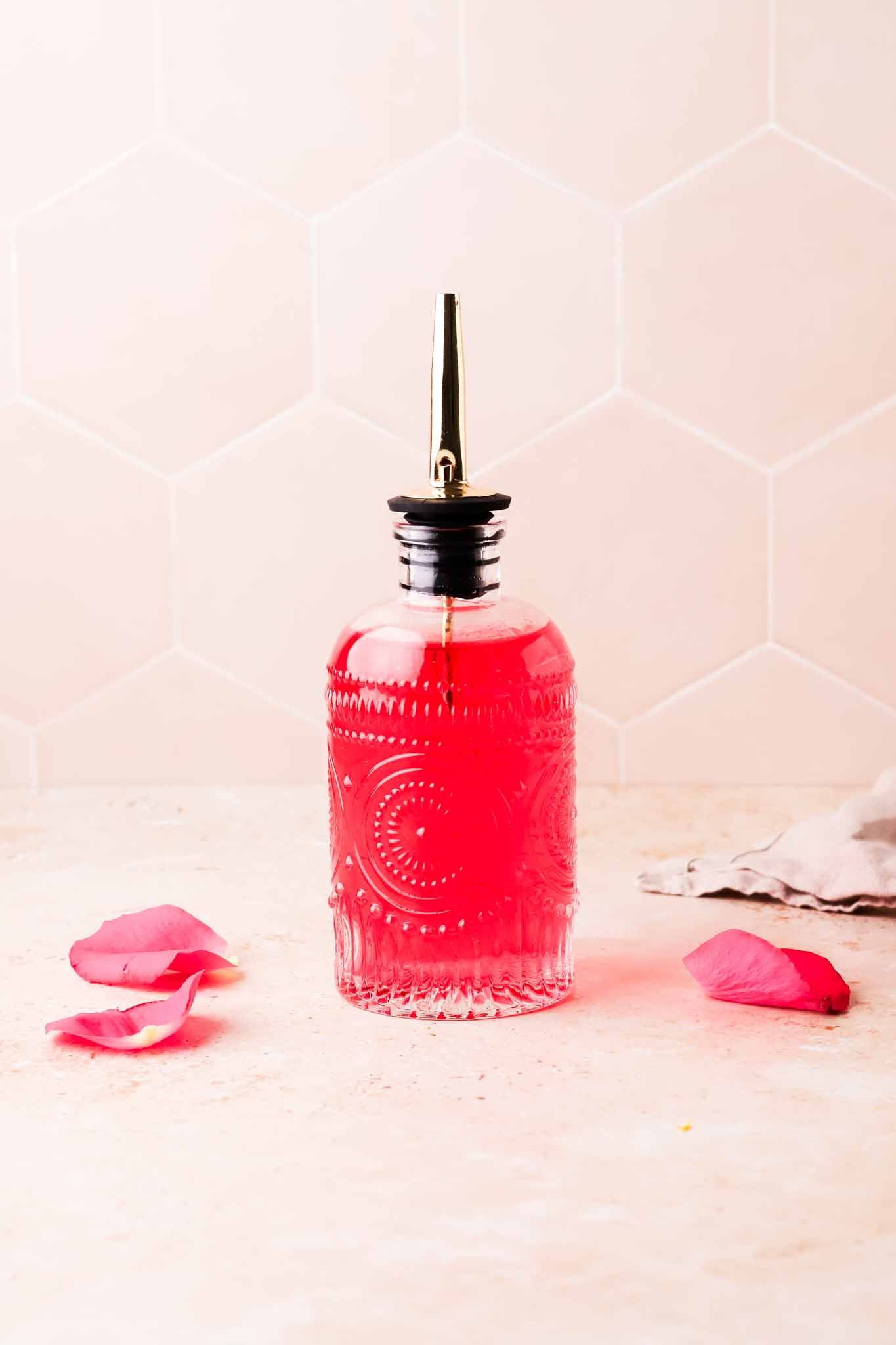
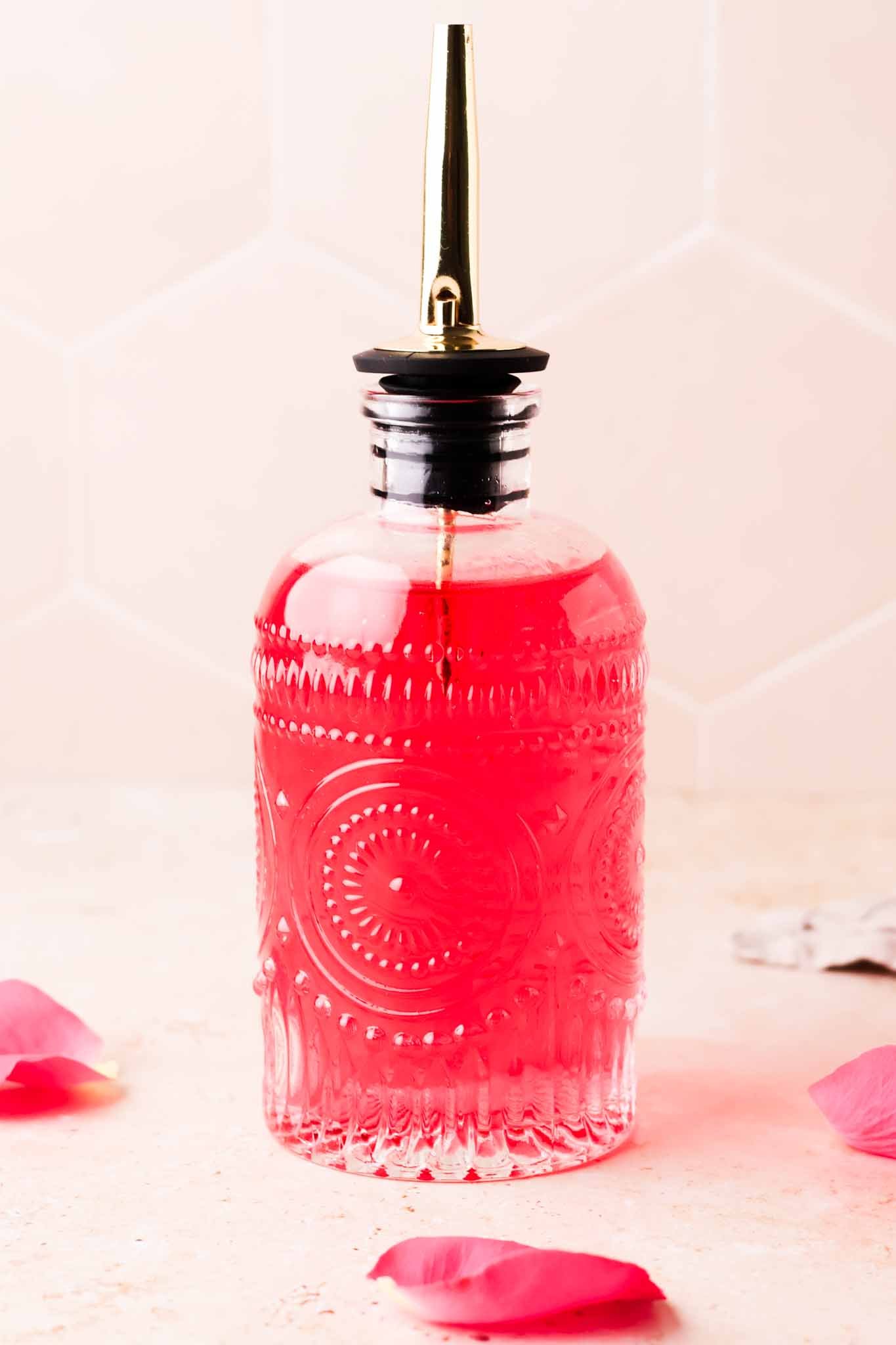
This rose simple syrup recipe comes together in under 10 minutes using culinary rose water, sugar, and water. The result is a light, floral syrup that works beautifully stirred into lemonade, drizzled over panna cotta, or mixed into cocktails. It keeps in the fridge for up to 4 weeks, so one batch goes a long way.
How this recipe came together
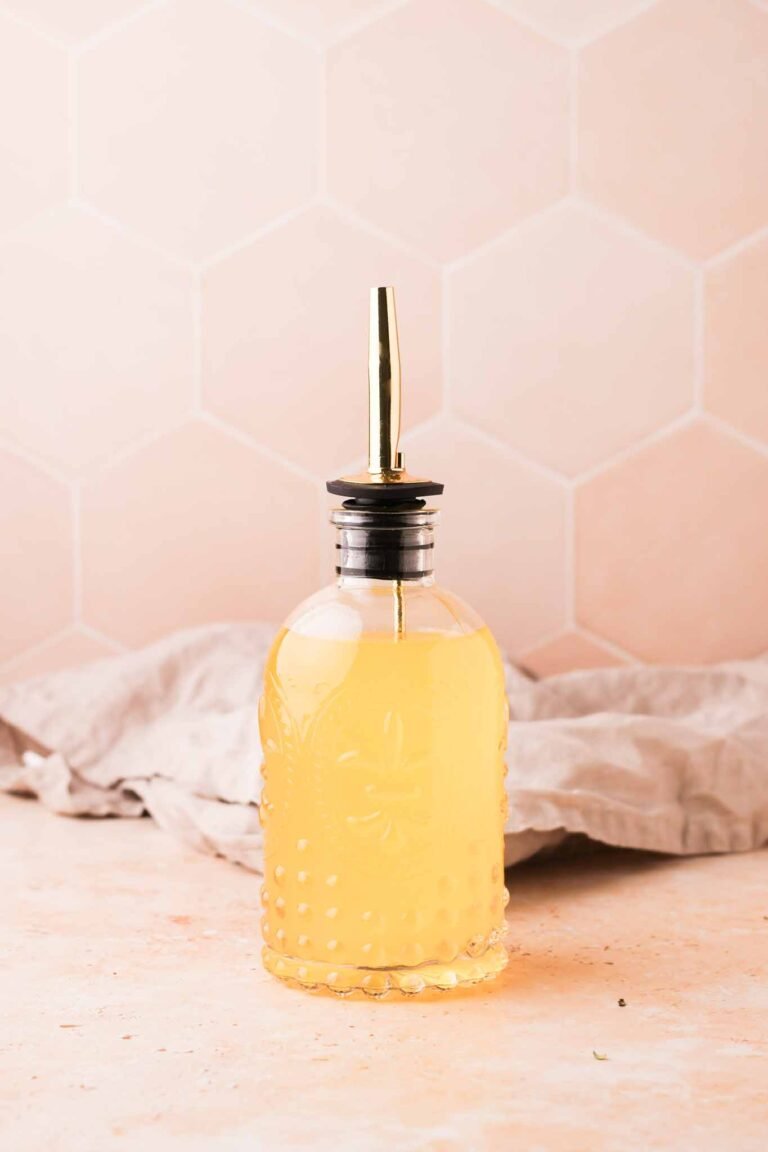
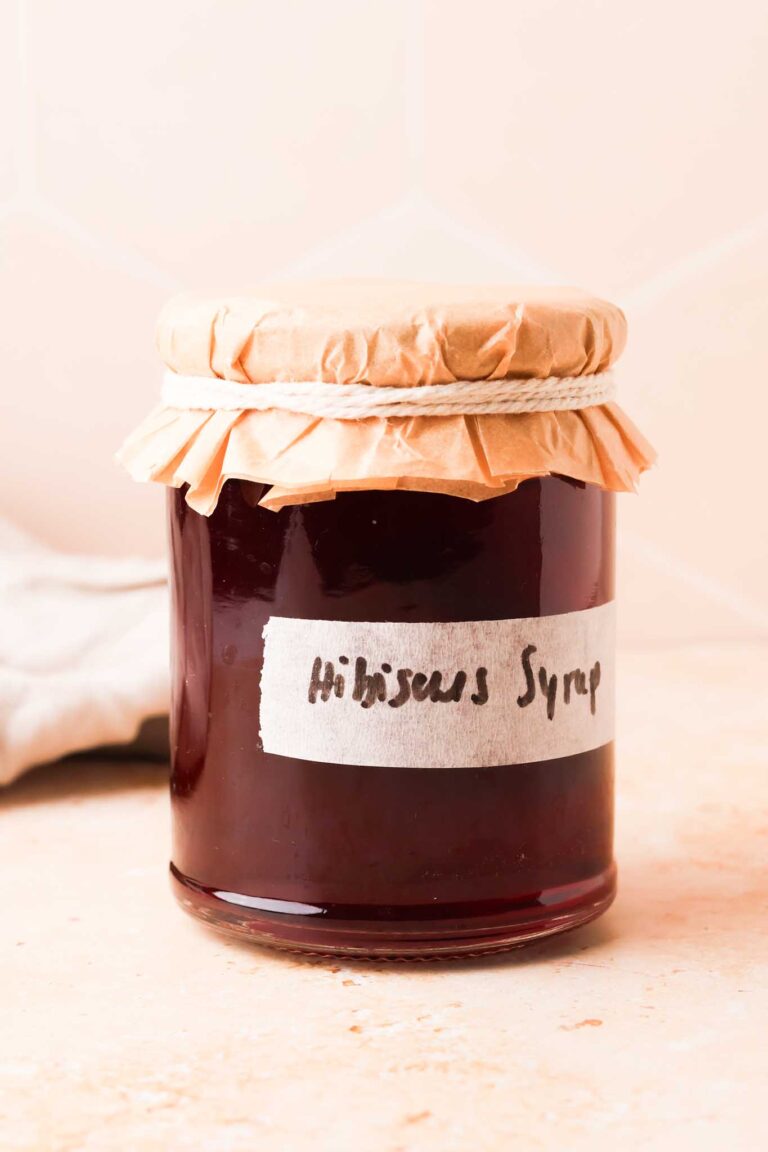
Rose is one of those flavors that shows up in cuisines across the world, from Persian sharbat to Indian sweets to French patisserie. I wanted a version that was approachable for everyday use, not just special occasions. Using culinary rose water keeps it simple and consistent, and it gives you that clean floral note without any guesswork about petal quality. Rose simple syrup alongside hibiscus syrup and orange blossom simple syrup can act as alternative floral syrup.
Rose simple syrup ratio
This rose syrup recipe uses a 1:1 ratio, meaning equal parts sugar and water. That gives you a pourable, medium-bodied syrup that blends easily into both cold drinks and warm desserts without being too thick or too thin.
If you want a richer syrup for drizzling over cakes or ice cream, you can move to a 2:1 ratio (two parts sugar to one part water) and adjust the rose water accordingly.
How to make rose syrup
There are three ways to build the floral flavor in this syrup, depending on what you have on hand.
Rose water
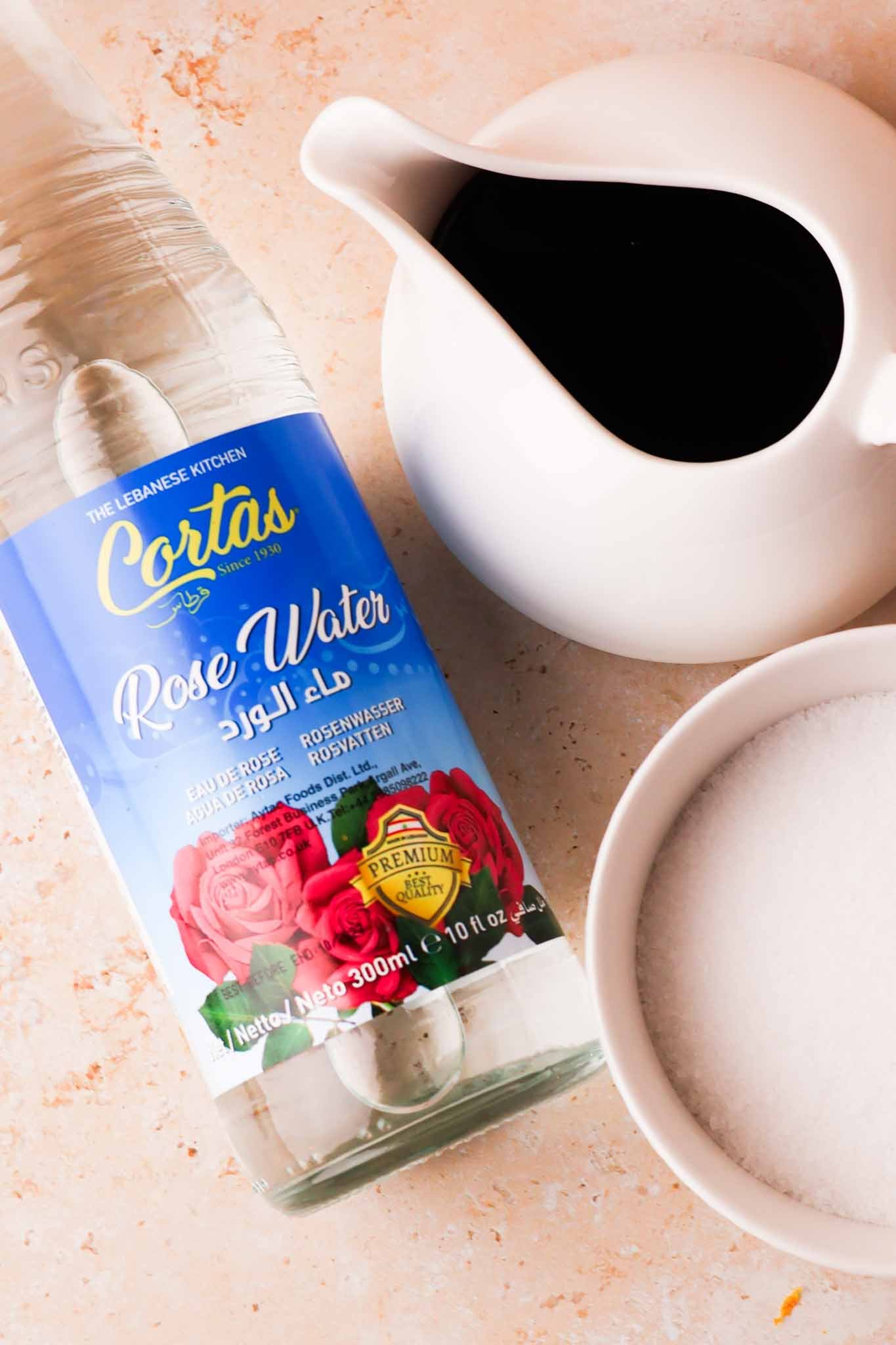
This is the easiest and most consistent method, and the one used in this recipe. Culinary rose water is distilled from rose petals and gives a clean, reliable floral flavor every time. You can find it in the baking aisle of most grocery stores, at Middle Eastern or South Asian grocery stores, or online. Look for culinary-grade rose water rather than cosmetic or beauty-grade, which is not meant to be eaten. It should say “culinary” or “food grade” on the label. Nielsen-Massey and Cortas are two widely available options, but most culinary rose waters work well at 2 tablespoons per cup of syrup.
Dried rose petals
Dried rose petals give a slightly earthier, more natural floral note than rose water. To use them, add 1/4 cup of food-grade dried rose petals to the sugar and water as it heats, then steep for 15 to 20 minutes off the heat before straining. Make sure the petals are food-grade and untreated, not decorative or florist petals, which may be sprayed with pesticides. You can find food-grade dried rose petals at specialty tea shops, Middle Eastern grocery stores, or online.
Fresh rose petals
Fresh petals produce the most delicate flavor and a soft blush color if you use deep pink or red varieties. Use 1/2 cup of lightly packed fresh petals from untreated, pesticide-free roses. Add them to the sugar syrup off the heat and steep for 20 to 30 minutes before straining. Garden roses tend to be more fragrant than store-bought, which are often grown for appearance over scent. Rinse petals well before using.
Ingredients for rose simple syrup
- Water: the base of the syrup, helps dissolve the sugar cleanly
- Granulated sugar: standard white sugar gives a neutral sweetness that lets the rose flavor come through
- Rose water: culinary grade, adds the floral note; add after removing from heat to preserve the aroma
- Beetroot juice: optional, adds a natural blush-pink color, best for drinks; skip if using in desserts where color is not needed
How to make rose simple syrup
I start by combining the water and sugar in a small saucepan over medium heat. I stir as it heats, watching for the sugar to fully dissolve into the water, which takes about three to five minutes.
Do not let it boil, just a gentle heat until the liquid turns clear. Once the sugar is dissolved, pull the pan off the heat entirely before adding the rose water. This is important because cooking rose water drives off the aroma, and you want that floral note to stay in the syrup rather than evaporate into your kitchen.
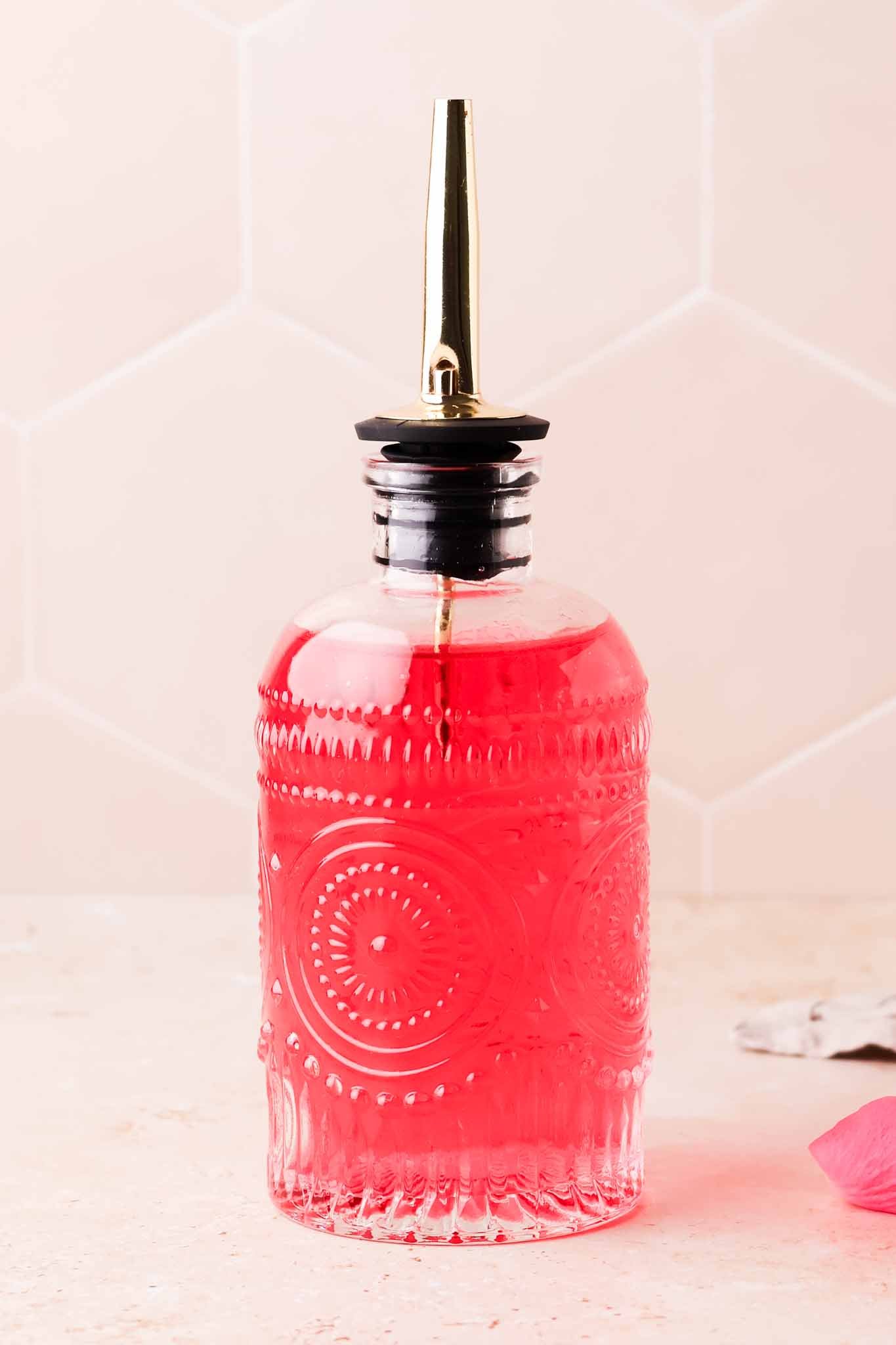
Stir it in, then add the beetroot juice if I am making a batch for drinks. Half a teaspoon is enough for a soft pink color, and the rose water aroma more than covers any earthiness from the beet. Then I let the syrup cool completely before transferring it to a jar or bottle.
Tips for the best rose simple syrup
- Use culinary rose water, not cosmetic or beauty-grade rose water, which is not food safe
- Add the rose water off the heat to protect the floral aroma from cooking out
- Start with 2 tablespoons of rose water and taste before adding more; culinary rose water varies in intensity between brands
- The beetroot juice is purely for color in drinks; it does not affect the flavor, and the rose water aroma fully covers any beet smell
- Let the syrup cool completely before bottling to avoid condensation inside the jar
What rose simple syrup tastes like
- Sweetness: medium, clean, not heavy
- Primary note: floral rose, soft and recognizable without being perfumed
- Secondary note: very faint warmth from the water, almost neutral
- Overall profile: light and aromatic, the kind of flavor that lifts a drink or dessert without taking over
Ways to use rose simple syrup
- Lemonade: stir into freshly squeezed lemonade for a floral rose lemonade
- Cocktails and mocktails: add to a gin and tonic, a spritz, or a sparkling mocktail with lemon and mint
- Iced tea: mix into cold brew black tea or green tea for a lightly floral sweetened tea
- Desserts: drizzle over panna cotta, vanilla ice cream, or a simple yogurt bowl
- Baking: brush over sponge cake layers or stir into whipped cream or buttercream
- Breakfast: swirl into overnight oats or drizzle over ricotta toast with honey
How to store rose syrup
Store rose simple syrup in a clean glass jar or bottle in the fridge. It keeps well for up to 4 weeks. Because rose water is already a preserved extract, the syrup is fairly stable, but you should still check for cloudiness, an off smell, or any sign of mold before using.
If you want to extend the shelf life, you can freeze the syrup in an ice cube tray and transfer the cubes to a freezer bag, where they will keep for up to three months. Thaw in the fridge overnight before using.
Homemade rose syrup variations
- Rose and cardamom syrup: add two crushed cardamom pods to the sugar and water as it heats, then strain before adding the rose water; a classic pairing in South Asian and Middle Eastern desserts
- Rose and lemon syrup: add a strip of lemon peel to the pan while the sugar dissolves, then remove before bottling; brightens the floral note and works especially well in drinks
- Rose and vanilla syrup: stir in a small splash of pure vanilla extract along with the rose water; softens the floral edge and makes it more dessert-friendly
- Dried petal version: use 1/4 cup food-grade dried rose petals steeped in the warm syrup for 15 to 20 minutes instead of rose water; earthier and more rustic in flavor
- Fresh petal version: use 1/2 cup fresh untreated rose petals steeped for 20 to 30 minutes; most delicate flavor, best with fragrant garden roses
FAQ
Can I use rose syrup instead of rose water in recipes?
Only if you are making something that is meant to be sweet. Rose syrup is already sweetened, while rose water is not. If you substitute rose syrup for rose water in a recipe, reduce or eliminate any other sugar in that recipe to avoid an overly sweet result. The floral flavor is similar, but the concentration is different, so start with a small amount and taste as you go.
What drinks can I make with rose simple syrup?
Rose simple syrup works well in lemonade, iced tea, gin and tonics, sparkling mocktails, and any drink where you want a floral, lightly sweet note. It pairs especially well with citrus, cucumber, and mint. A simple rose lemonade, a rose spritz with sparkling water and lemon, or a rose iced green tea are all easy starting points.
Where can I find rose water for this recipe?
Culinary rose water is available in the baking or international aisle of most grocery stores. You can also find it at Middle Eastern or South Asian grocery stores, which often carry a wider selection. It is widely available online as well. Look for bottles labeled culinary-grade or food-grade; avoid anything labeled for cosmetic or skin use.
Equipment
- Small saucepan
- Glass bottle or jar
Ingredients
- 1 cup water
- 1 cup granulated sugar
- 2 tbsp culinary rose water
- 1/2 tsp beetroot juice optional, for a natural pink color in drinks
Instructions
- Combine the water and sugar in a small saucepan over medium heat.
- Stir continuously until the sugar fully dissolves and the liquid turns clear, about 3 to 5 minutes. Do not let it boil.
- Remove the pan from the heat.
- Stir in the rose water.
- If using beetroot juice, stir it in now until evenly combined.
- Allow the syrup to cool completely before transferring to a clean glass jar or bottle.
- Store in the fridge for up to 4 weeks.
Notes
Start with 2 tablespoons of rose water and adjust to taste; strength varies between brands. Beetroot juice is optional and is best for drinks. Skip it for dessert applications where you do not need the color. The rose water aroma covers any beet smell when both are combined. For a richer syrup, use a 2:1 ratio (2 cups sugar to 1 cup water) and keep rose water amount the same.
Did you make this recipe?
Please take a moment to leave a comment and provide a star rating below. You can also share your creation on Instagram and tag @mysyruparchive – Thank you for your feedback!

Welcome! I’m Rakiya, a syrup enthusiast with years of experience developing flavors. Every recipe is tested and refined for tasty results. My tips, variations and photos come directly from my kitchen experiments.