How To Choose The Right Sugar For Simple Syrup
Syrup seems simple. Just sugar and water right? But over the years, I’ve learned that the type of sugar you choose can completely change the flavor, color, and personality of your syrup. It’s what turns a basic drink into something special.
So whenever I’m crafting a bright citrus infused syrup for iced tea, a cozy warming spiced syrup for coffee or fruit based ones I can drizzle over pancakes, the sugar always sets the tone. Here’s how I pick the right sugar for syrup when I’m in the kitchen.
The best sugar for simple syrups
Granulated sugar
Flavor and use: granulated sugar is clean, sweet and neutral. It’s the perfect base for syrups where you want clarity and versatility. Think refreshing lemonades, iced teas, or cold brew coffees.
Why it works: it dissolves easily, giving you a smooth syrup without changing the color or overpowering other flavors.
Pro tip: use a 1:1 ratio of sugar to water for a standard simple syrup, or a 2:1 ratio for a richer syrup that clings to desserts and drinks.
Try in:
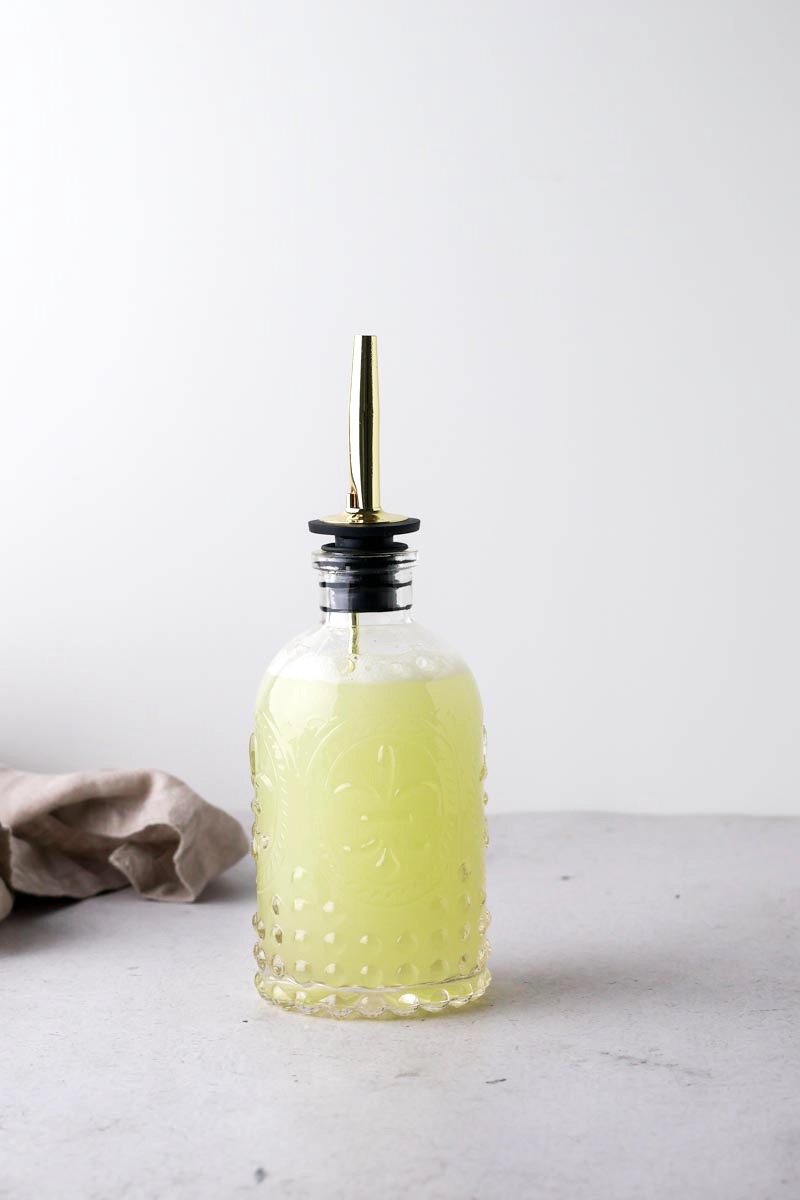
- Lemon infused syrup – I love adding it to iced tea for a bright, fresh flavor.
- Lime infused syrup – perfect for mocktails or sparkling water on a hot day.
- Homemade orange syrup – adds a sunny, cheerful note to everything from desserts to hot drinks.
Granulated sugar is my “safe and flexible” choice because it is reliable and versatile for many use cases.
Brown sugar
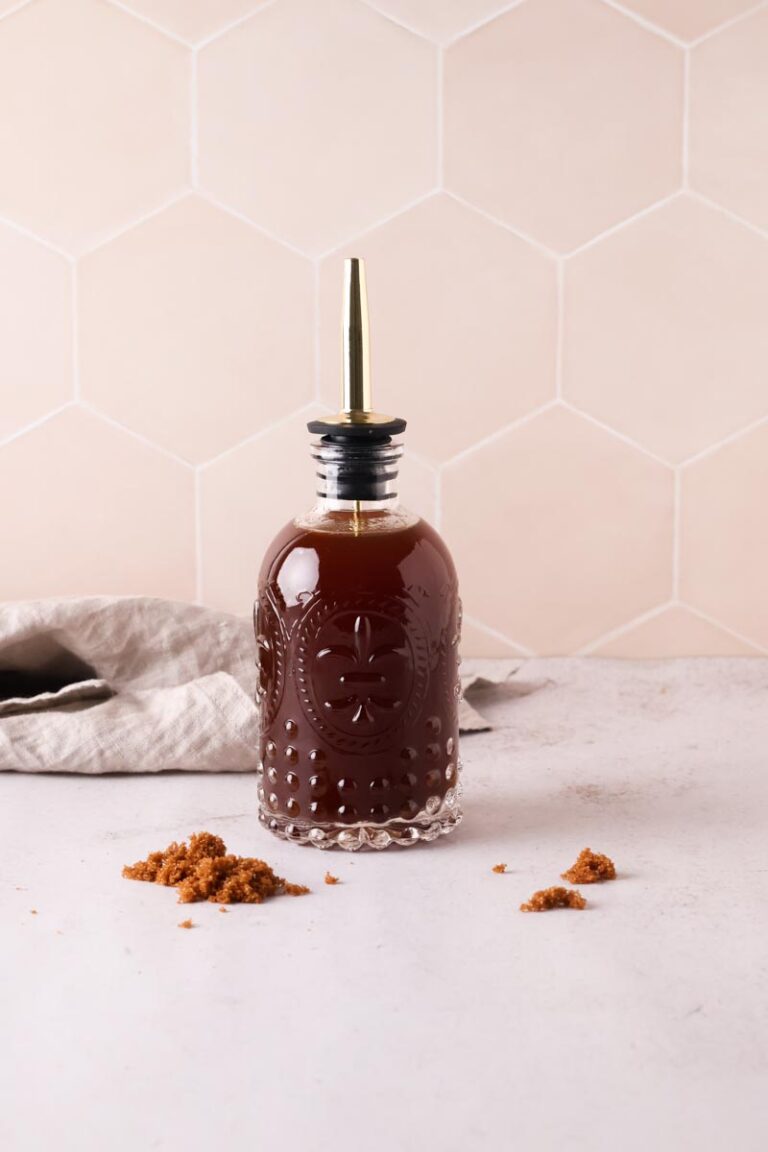
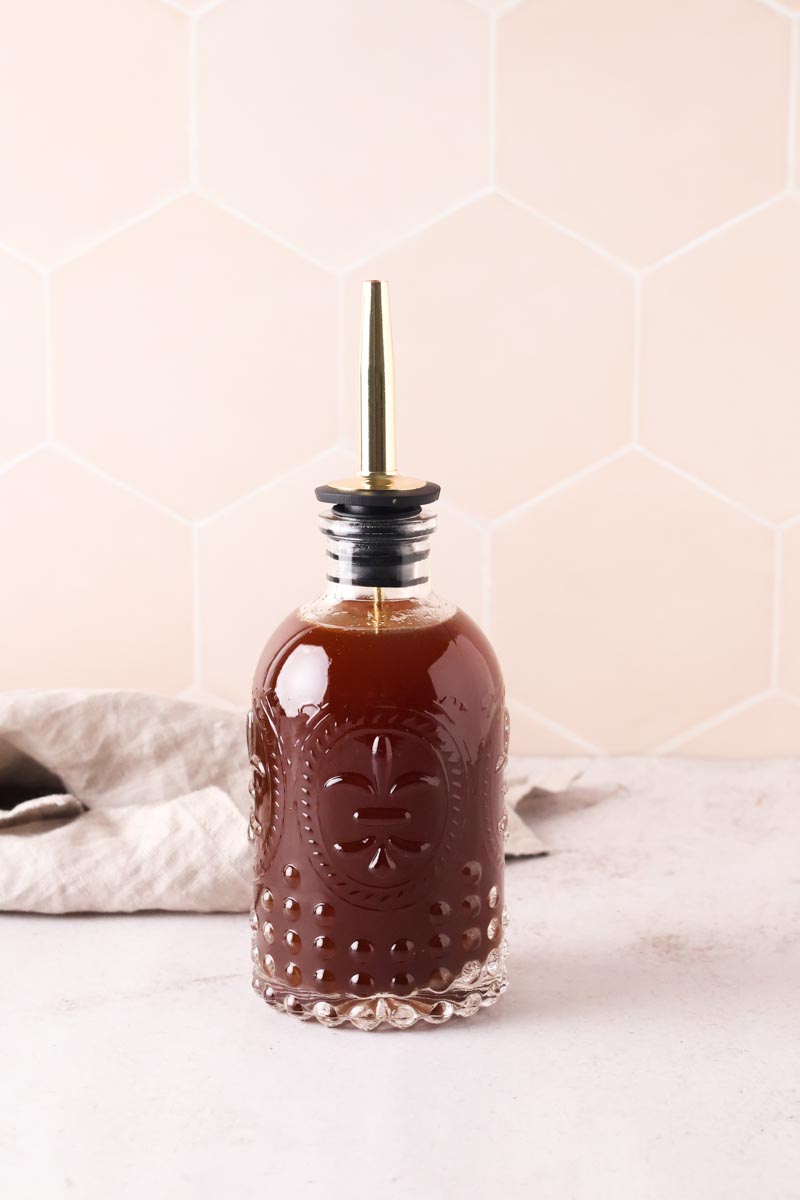
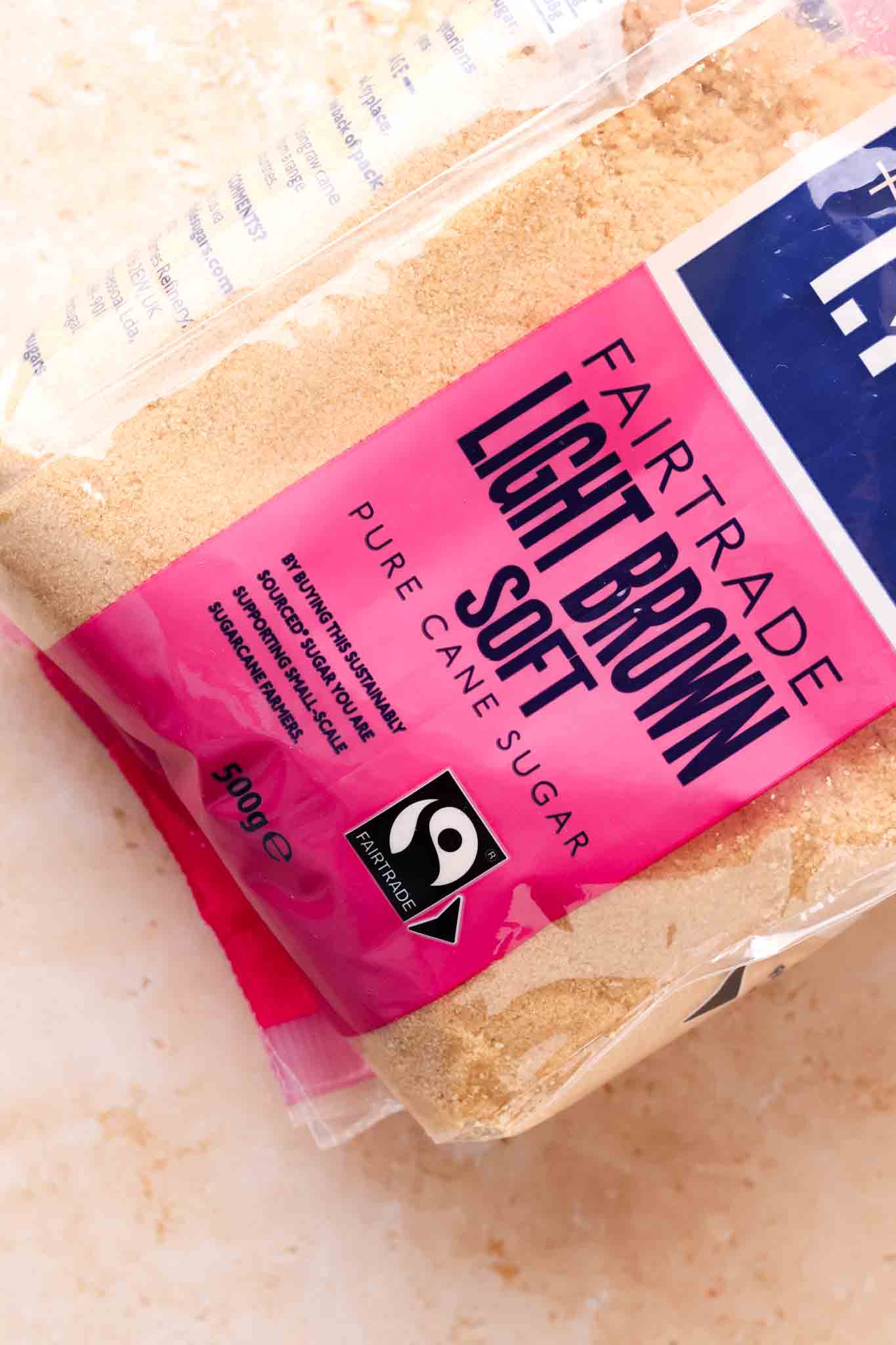
Flavor and use: I turn to brown sugar when I want warmth in a syrup. Its molasses notes make it perfect for coffee syrups, spiced drinks, or drizzling over pancakes and waffles.
Why it works: the darker the sugar, the deeper and bolder the flavor. Light brown sugar is subtle, while dark brown sugar gives a strong, molasses-rich profile.
Try in:
- Vanilla and brown sugar syrup – I often add this to lattes for a comforting, cozy touch.
- Spiced apple syrup – perfect for fall mornings or baking experiments.
Brown sugar syrups always make me feel like I’m sipping something warm and indulgent, even in the simplest of drinks.
Raw and turbinado sugars
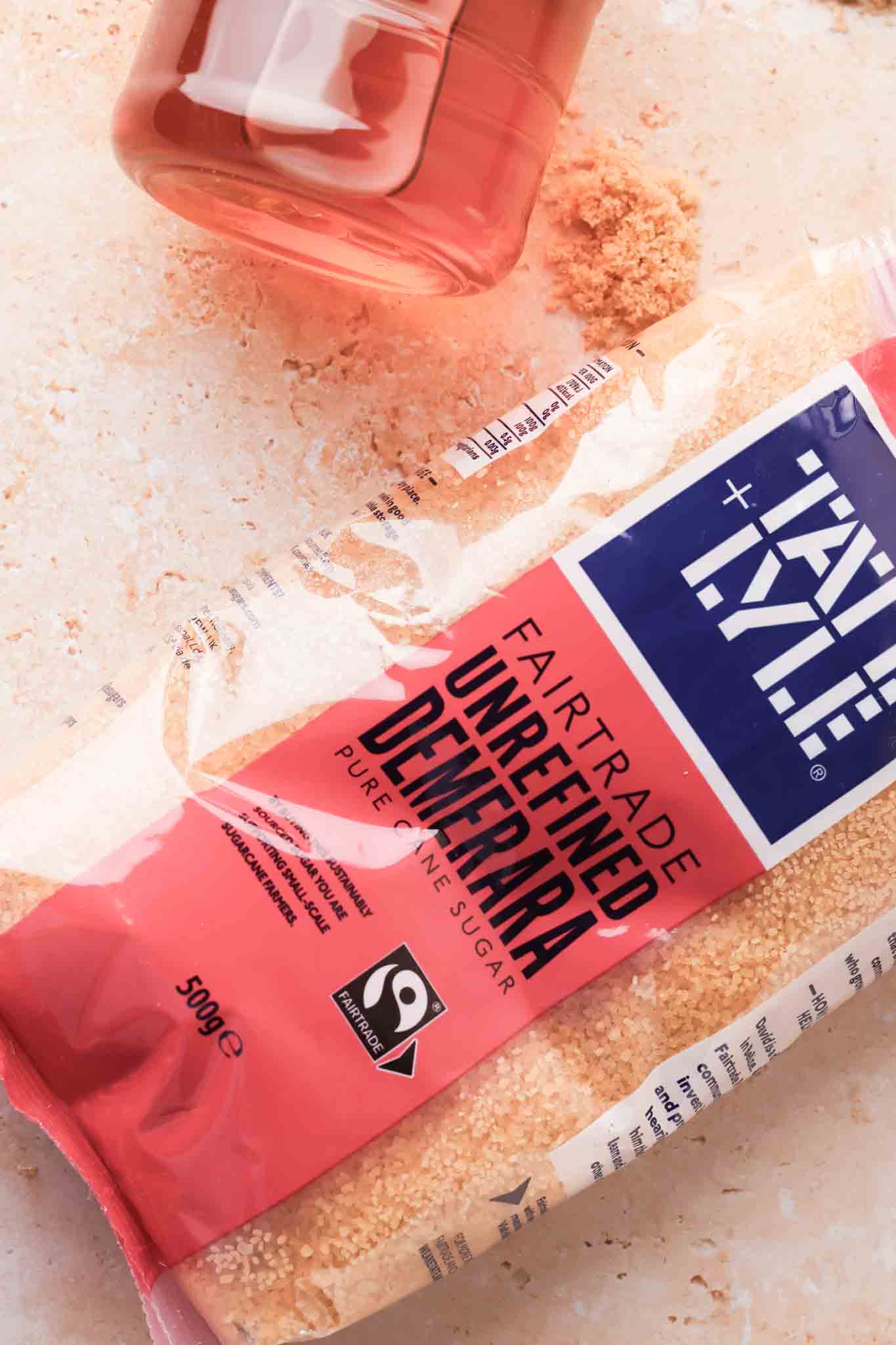
Flavor and use: I like using turbinado or demerara when I want my syrups to feel rustic and handcrafted. Turbinado, demerara, and other raw sugars are less refined and carry natural molasses notes. They’re slightly nutty, golden in color, and less sweet than white sugar. These sugars shine in artisanal syrups or iced beverages.
Why it works: raw sugars create rustic, handcrafted syrups with a depth that simple white sugar can’t match.
Try in:
- Homemade grapefruit syrup – for refreshing artisanal sodas or teas.
- Sweet pear simple syrup – subtle and elegant over sparkling water or in mocktails.
Raw sugar syrups are for when you want flavor with a touch of sophistication and authenticity.
Specialty sugars
Flavor and use: specialty sugars like muscovado, coconut sugar, and maple sugar are my go-to when I want a syrup that feels special. Muscovado is deep and chocolatey, coconut sugar is caramel-like, and maple sugar has a woodsy sweetness. These are perfect for desserts, seasonal drinks or playful mocktails.
Try in:
- Delicious peach syrup – sweet and summery for iced teas or spritzers.
- Lychee infused syrup – floral and delicate, perfect for mocktails.
- Blood orange syrup – bold and tangy, a seasonal favorite.
These sugars let you craft syrups that feel premium, special, and playful.
Sugar substitutes
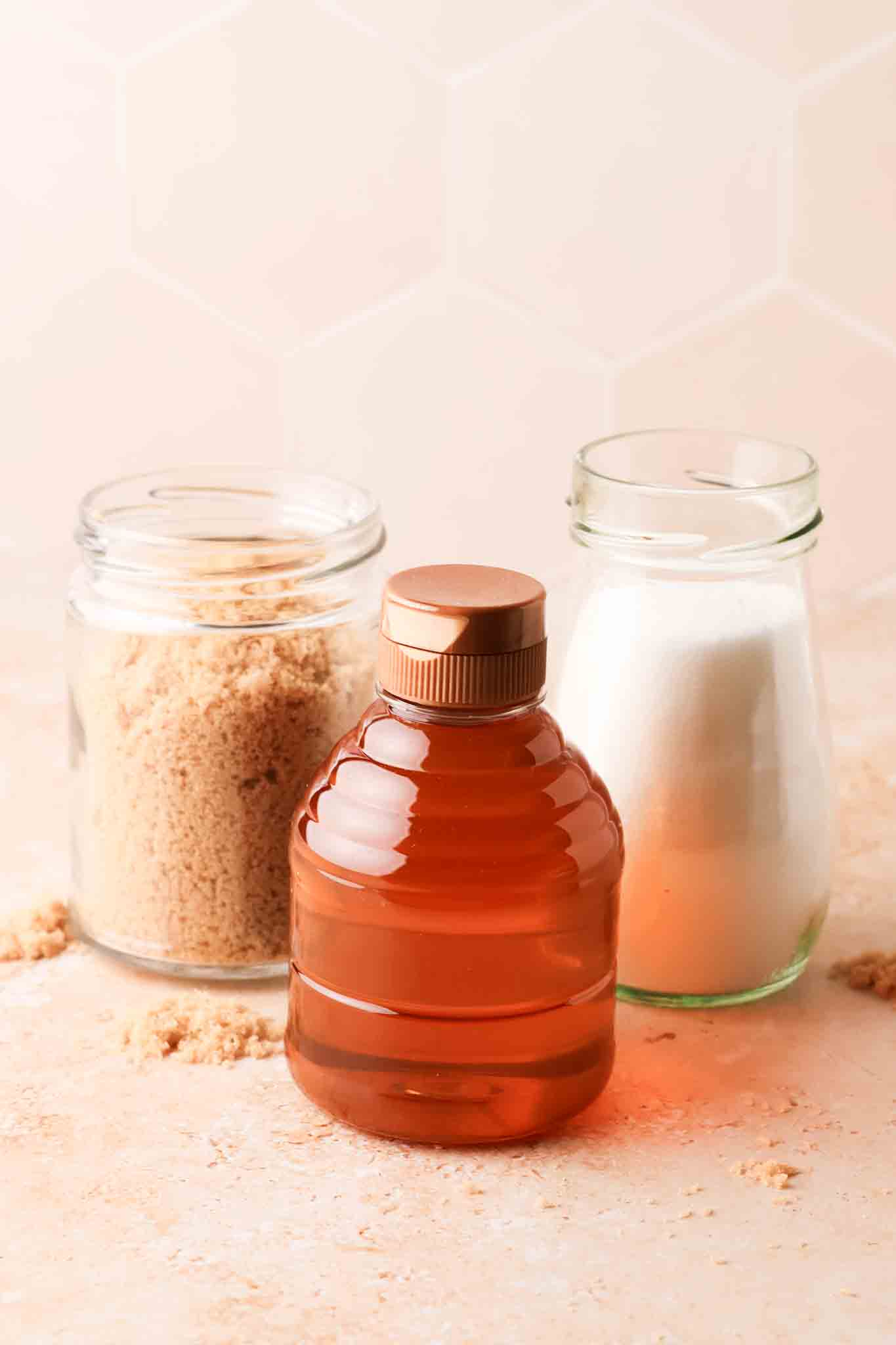
Flavor and use: when I want to make a syrup that’s lighter or naturally sweetened, I use raw honey, agave syrup, or stevia. Honey is floral and thick, agave is smooth and mild, and stevia gives sweetness without calories. These are great for delicate fruit syrups or health-conscious drinks.
Tips when heating:
Honey: I always heat it gently. High heat can destroy delicate flavors. I usually stir it in after simmering the water.
Agave syrup: agave can handle moderate heat, but prolonged boiling may produce a slightly bitter taste. Stir it in toward the end for best results.
Stevia: Do not boil stevia. High heat can create a bitter or metallic flavor. Dissolve in warm water after removing the syrup from heat.
Try in:
- Melon simple syrup – subtly sweet and refreshing, added after gentle heating.
- Tea-infused simple syrup – delicate flavor preserved by adding stevia or honey after water is heated.
With sugar substitutes, the key is to avoid harsh boiling, which can alter flavor or cause bitterness. Gentle heat or adding them at the end ensures your syrup stays smooth, sweet, and flavorful.
The sugar you choose shapes how your syrup turns out. Granulated sugar is versatile, brown sugar brings warmth, raw sugars add artisanal depth, specialty sugars invite creativity, and natural substitutes provide healthier options.
Experiment, taste as you go, and pair your sugar choice with the syrup flavor to create drinks and desserts that feel effortless yet elevated.
FAQs
Can I mix different sugars for syrup?
Yes! Mixing sugars lets you customize flavor and color. For example, combining white sugar and brown sugar gives a balance of sweetness and depth, while still keeping a smooth texture.
Does honey change the syrup?
Honey can replace sugar, but they alter taste, color, and shelf life. Honey adds floral notes, and you’ll need to adjust the liquid-to-sweetener ratio for proper consistency.
What is the best sugar for making syrups?
White granulated sugar because it dissolves easily and creates a clear, neutral-flavored syrup. However, brown sugar works well if you want a richer, caramel-like taste, while raw sugars add subtle depth and color.
Is caster sugar or white sugar better for sugar syrup?
Both caster sugar and white granulated sugar work well for sugar syrup. Caster sugar dissolves slightly faster because the crystals are finer, but once dissolved, there is no difference in taste or texture between the two.
What sugar do I need to make simple syrup?
To make simple syrup, you only need white granulated sugar and water in equal parts (1:1 ratio). You can adjust the ratio to make a richer syrup (2:1) if you want a thicker, sweeter result.

Welcome! I’m Rakiya, a syrup enthusiast with 5 years of experience developing flavors. Every recipe is tested and refined for tasty results. My tips, variations and photos come directly from my kitchen experiments.